How Downtown LA's Stop and Go Traffic Wears Down Your Engine
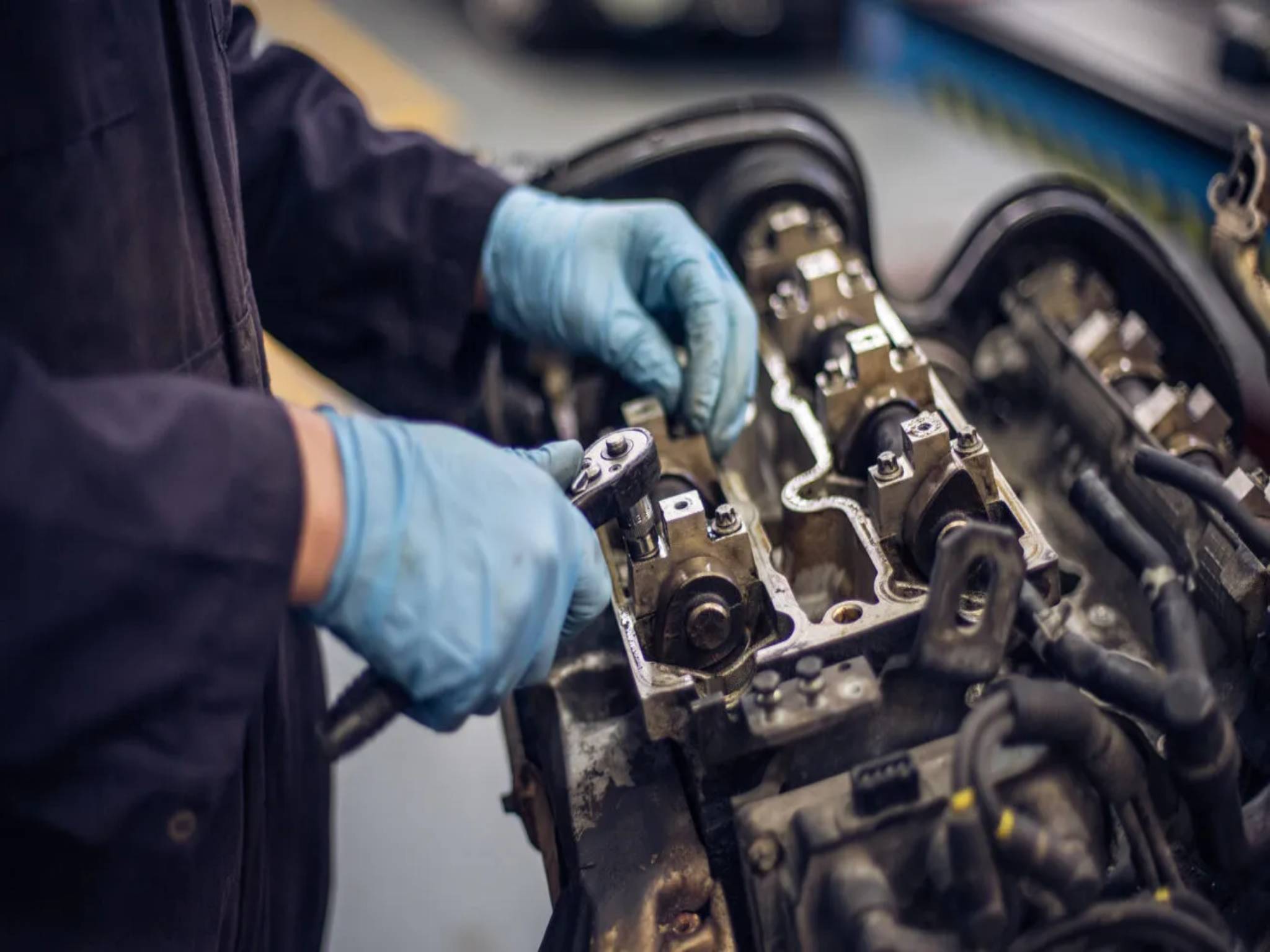
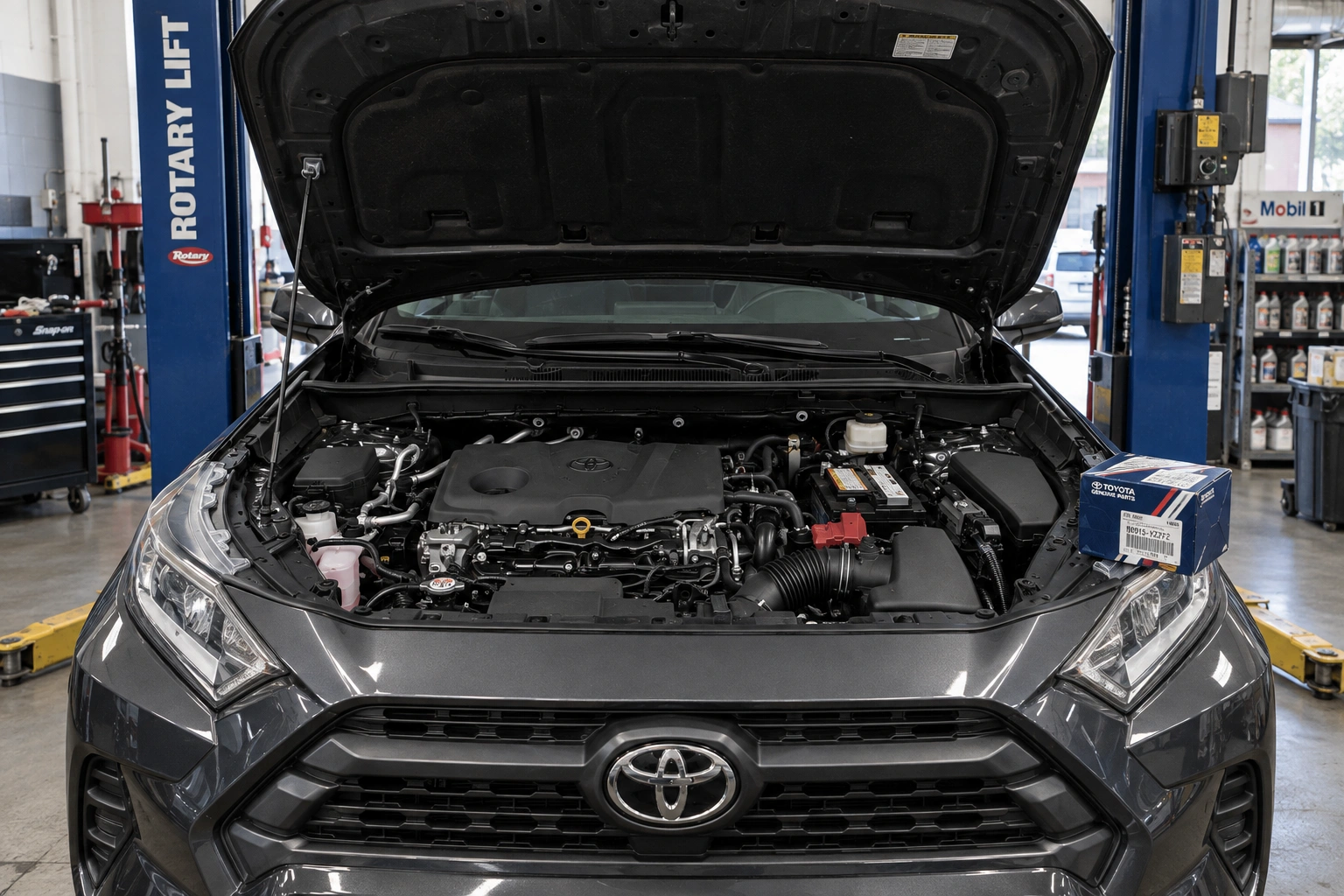
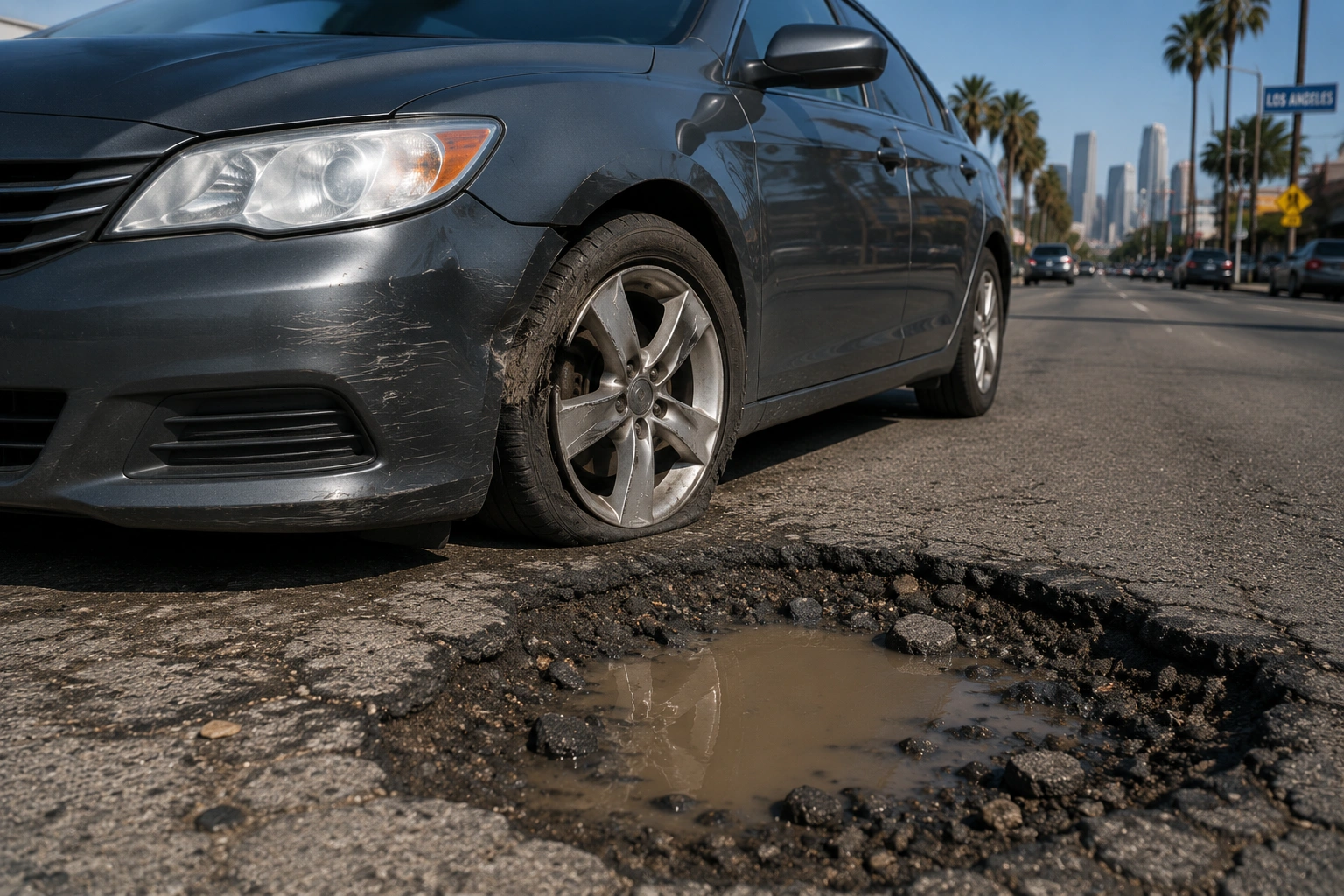
Stop-and-go traffic in Downtown Los Angeles creates a demanding operating environment for engines and related systems. Frequent idling, short trips, repeated acceleration, low-speed gear changes, hot under-hood conditions, and limited airflow can increase maintenance needs compared with steady highway driving.
Traffic does not damage every vehicle in the same way, but it can accelerate oil contamination, transmission wear, cooling-system stress, battery load, and carbon or deposit buildup. Understanding the warning signs and adjusting maintenance to actual use can help protect reliability.
How Stop and Go Traffic Affects Engines
Oil Breakdown and Contamination
Frequent low-speed operation and short trips may prevent engine oil from reaching ideal operating temperature for long enough to evaporate moisture and contaminants. Repeated heat cycles and idling can also increase fuel dilution and deposit formation in some vehicles.
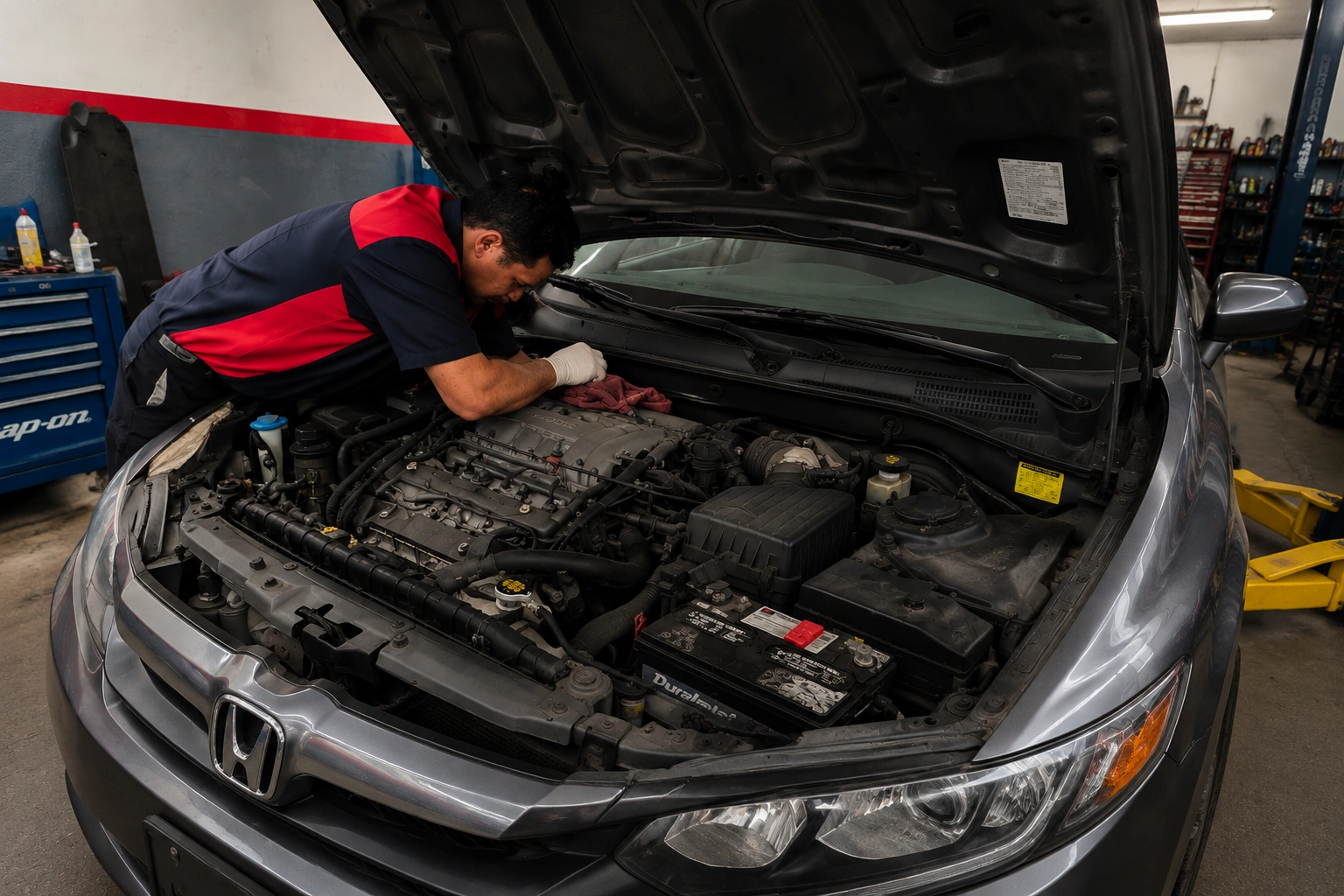
Check the oil level regularly, look for leaks, and follow the vehicle manufacturer's severe-use schedule when it applies. Speedway's oil change and maintenance service can replace the oil and filter while checking related engine conditions.
Transmission Stress
Constant shifts between low gears can increase transmission heat and wear. Automatic transmissions, continuously variable transmissions, dual-clutch systems, and manual gearboxes have different service requirements, so use the correct fluid and interval for the vehicle.
Delayed engagement, slipping, harsh shifts, shuddering, unusual noises, or fluid leaks should be diagnosed rather than ignored. A transmission concern can worsen when the vehicle continues operating in heavy traffic.
Cooling System Workload
Idling in traffic reduces the natural airflow that occurs at road speed. Cooling fans must work harder, while high ambient temperature and engine-bay heat place additional stress on the radiator, coolant, thermostat, hoses, seals, and water pump.
Check coolant according to the owner's manual and never open a hot cooling system. A rising temperature gauge, warning message, coolant smell, visible leak, or steam requires prompt attention.
Five Warning Signs of Traffic Related Engine Stress
Rough Idling
Vibration, unstable RPM, stalling, or inconsistent operation at a stoplight may involve ignition, fuel, air intake, sensors, vacuum leaks, deposits, mounts, or another engine-management issue.
Delayed Acceleration
Sluggish response when traffic clears may result from engine, transmission, fuel, air, throttle, exhaust, or electronic problems. Note whether the symptom appears when hot, cold, climbing, or accelerating from a stop.
Transmission Slipping
If RPM rises without a matching increase in speed, the transmission may be slipping. Harsh shifting, delayed engagement, shuddering, or a burning-fluid smell also require diagnosis.
Overheating Warnings
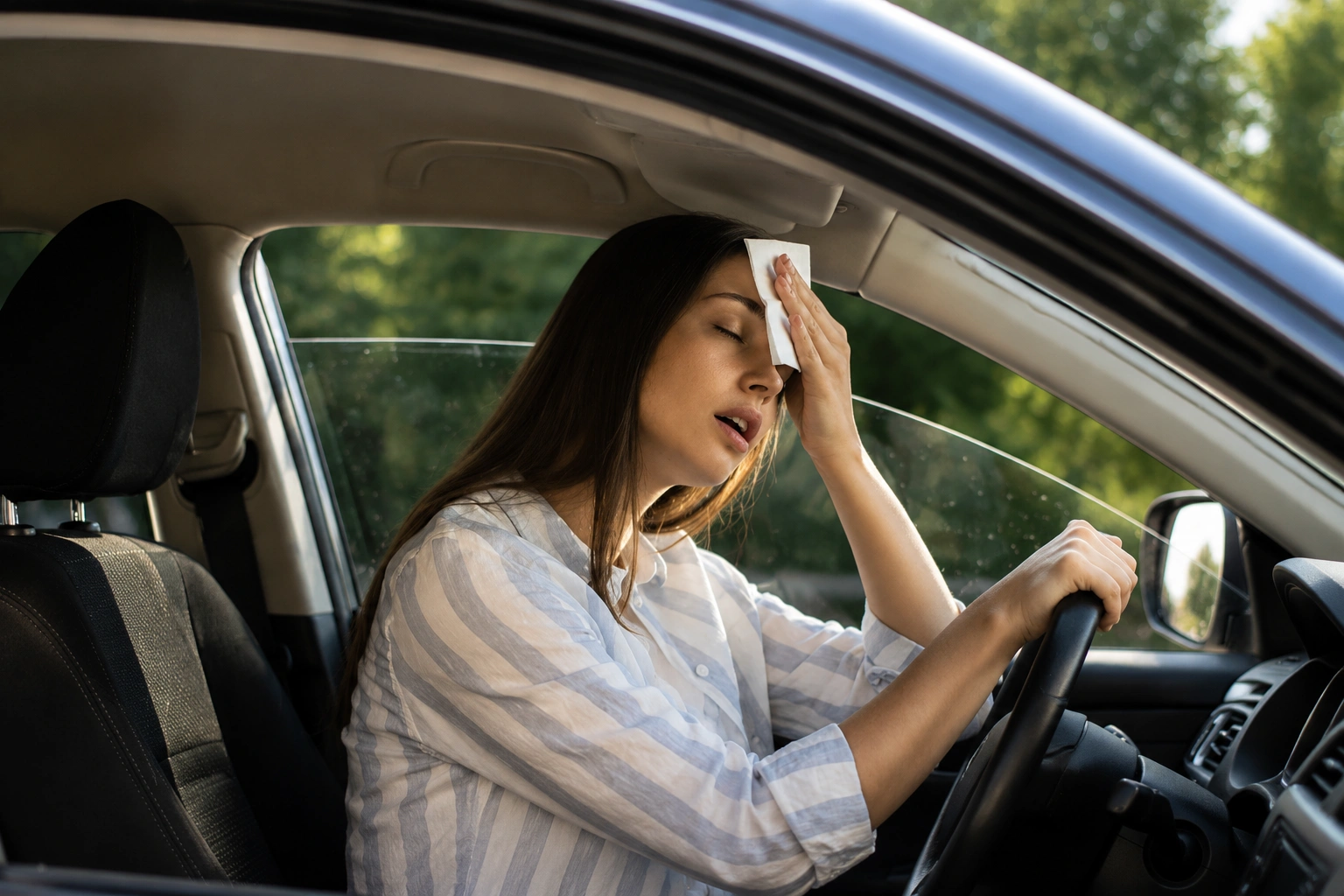
Temperature warnings are especially important during afternoon gridlock. Stop safely when necessary, turn off the engine if instructed, and arrange assistance rather than continuing until the engine is severely overheated.
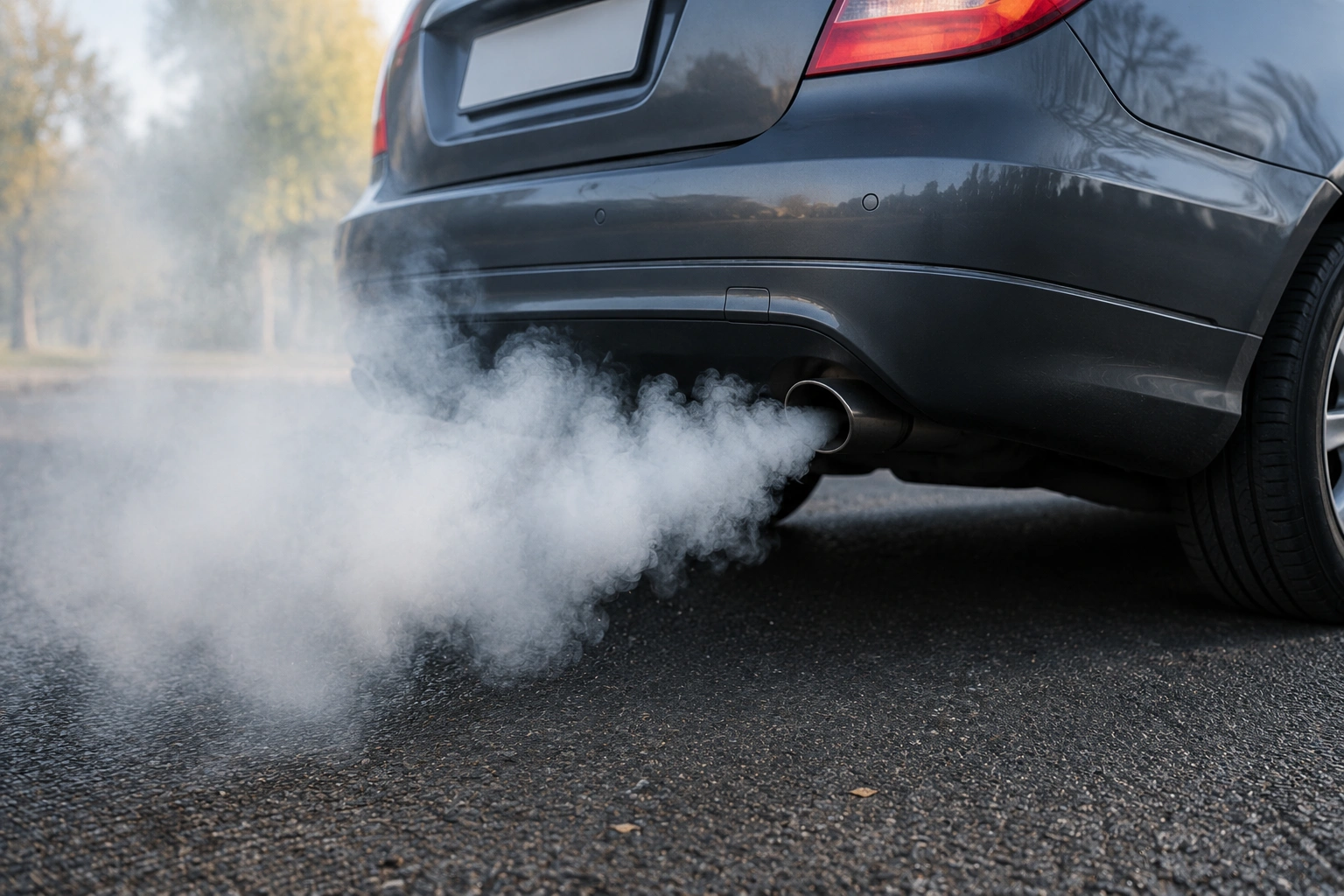
Increased Exhaust Smoke
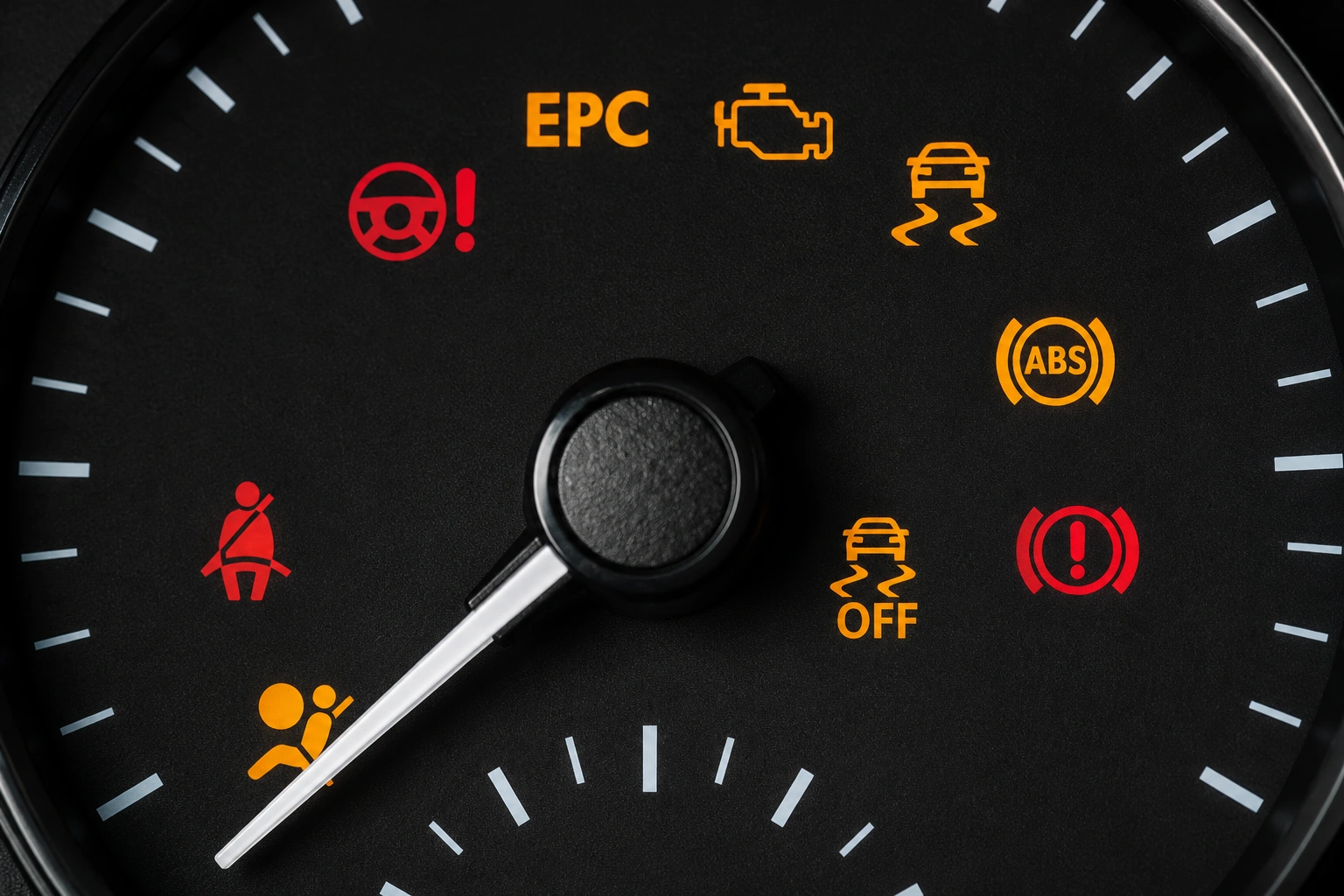
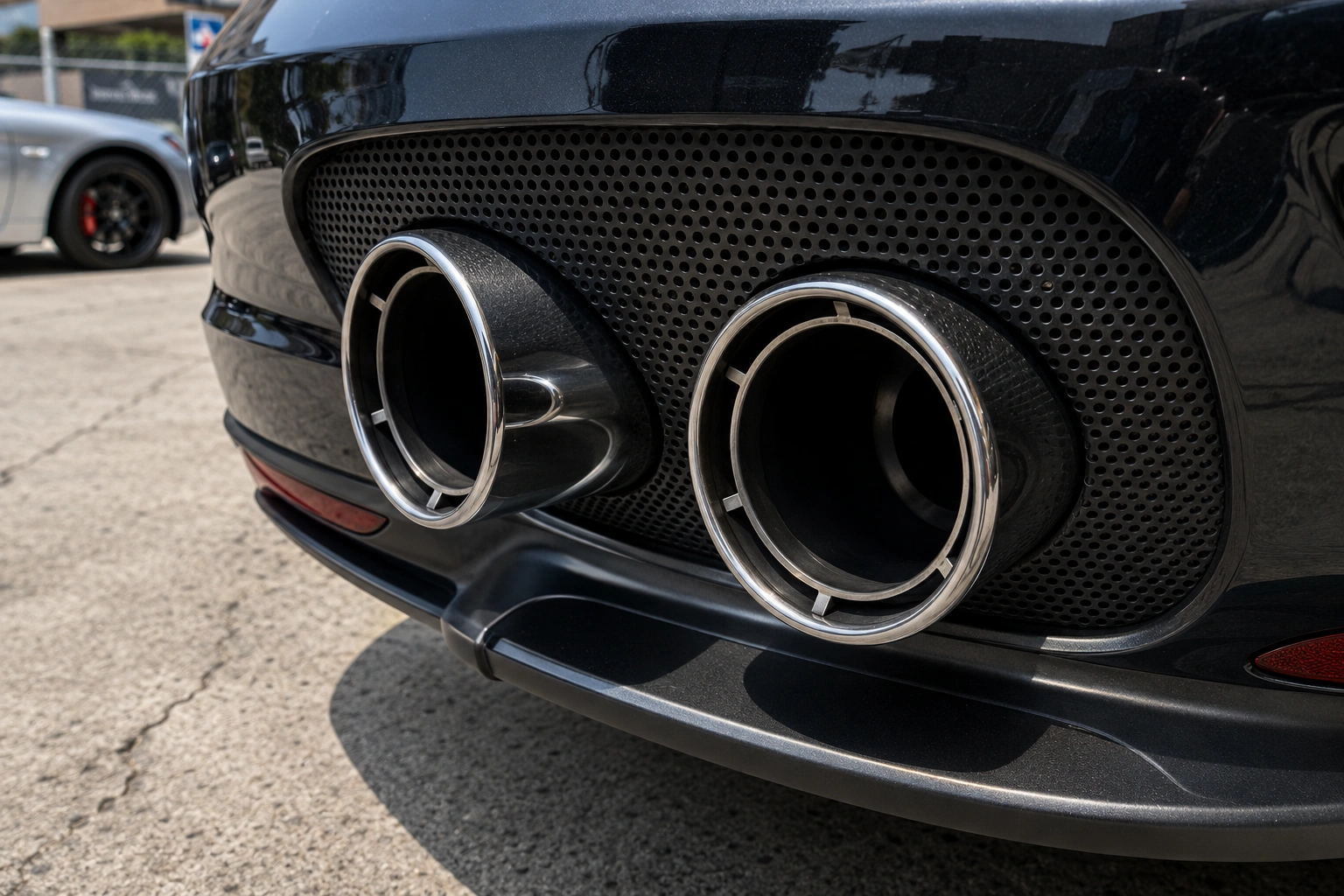
Blue smoke may indicate oil consumption, while other smoke colors can point to coolant, fuel, or exhaust-related issues. Persistent smoke should be inspected promptly.
Downtown LA Maintenance Tips for Daily Commuters
Use the Correct Oil Interval
Follow the owner's manual and consider the vehicle's severe-use guidance when driving includes frequent idling, short trips, heavy traffic, extreme heat, or repeated low-speed operation. Do not extend service solely because the vehicle has not reached a generic mileage number.
Monitor Fluid Levels
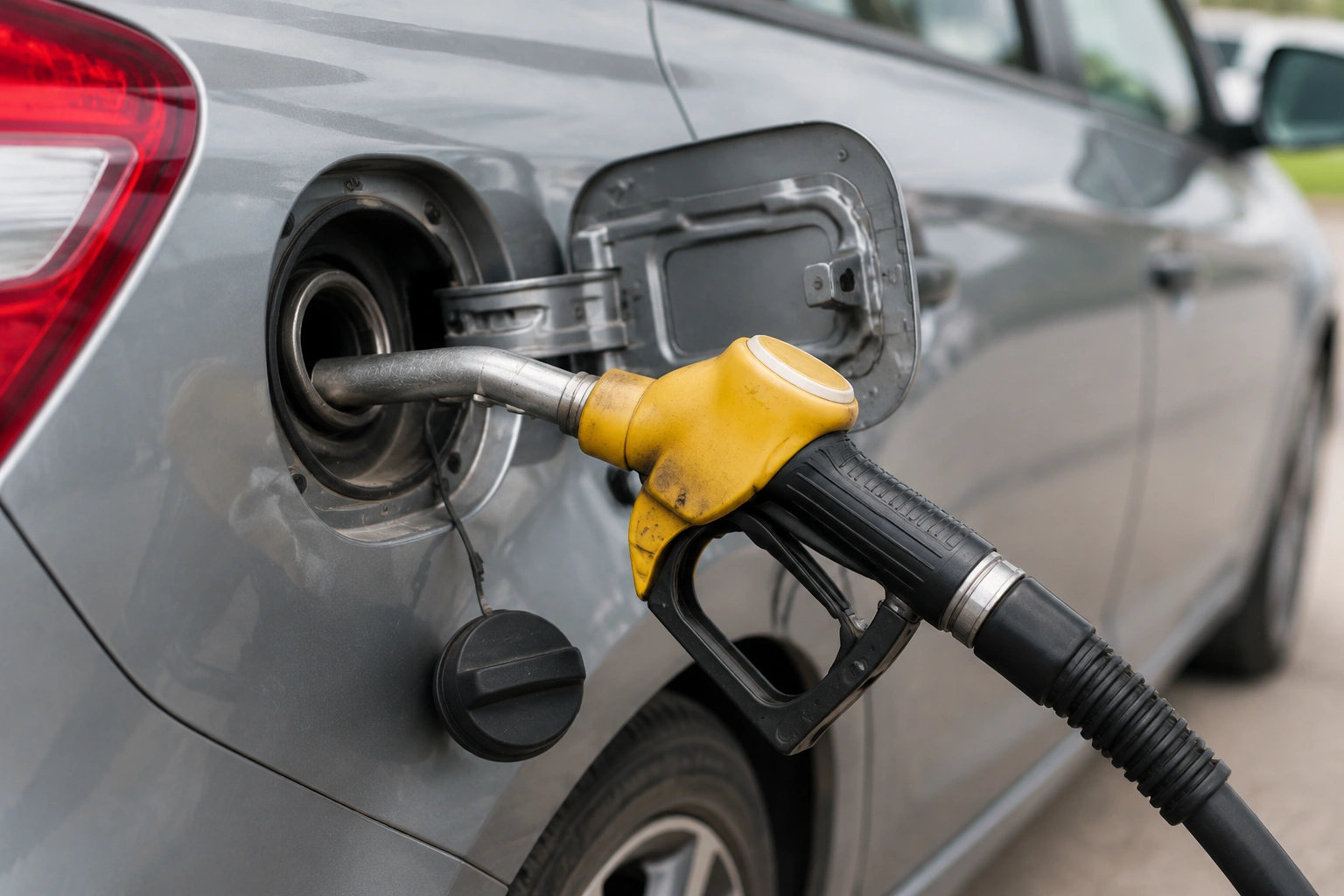
Check engine oil and other accessible fluids according to the manufacturer's instructions. A low level may indicate consumption or a leak, and topping off without finding the cause can hide a developing problem.
Inspect Cooling Components
Before summer traffic, review coolant condition, hoses, belts, radiator airflow, cooling fans, and temperature behavior. Keep the front of the vehicle clear of debris without damaging delicate fins.
For additional heat and seasonal preparation guidance, read this summer car care guide.
Maintain the Battery and Charging System
Short trips and heavy electrical loads may prevent the battery from fully recovering between starts. Slow cranking, clicking, dim lights, or repeated jump-starts indicate a need for testing.
Keep Service Records
Record dates, mileage, oil specification, fluid service, inspection findings, warning lights, and repairs. A complete history helps identify patterns and supports accurate recommendations.
Weekend Drivers Have Different Needs
A vehicle used mainly on weekends may accumulate fewer miles but still experience time-based oil aging, battery discharge, tire pressure changes, moisture, and repeated short trips. A longer drive may warm systems fully, but it does not replace scheduled maintenance or diagnosis of a warning symptom.
Before a longer trip, check oil level, coolant, tire pressure, tread, lights, battery starting performance, and warning messages.
Diagnostics Before Parts Replacement
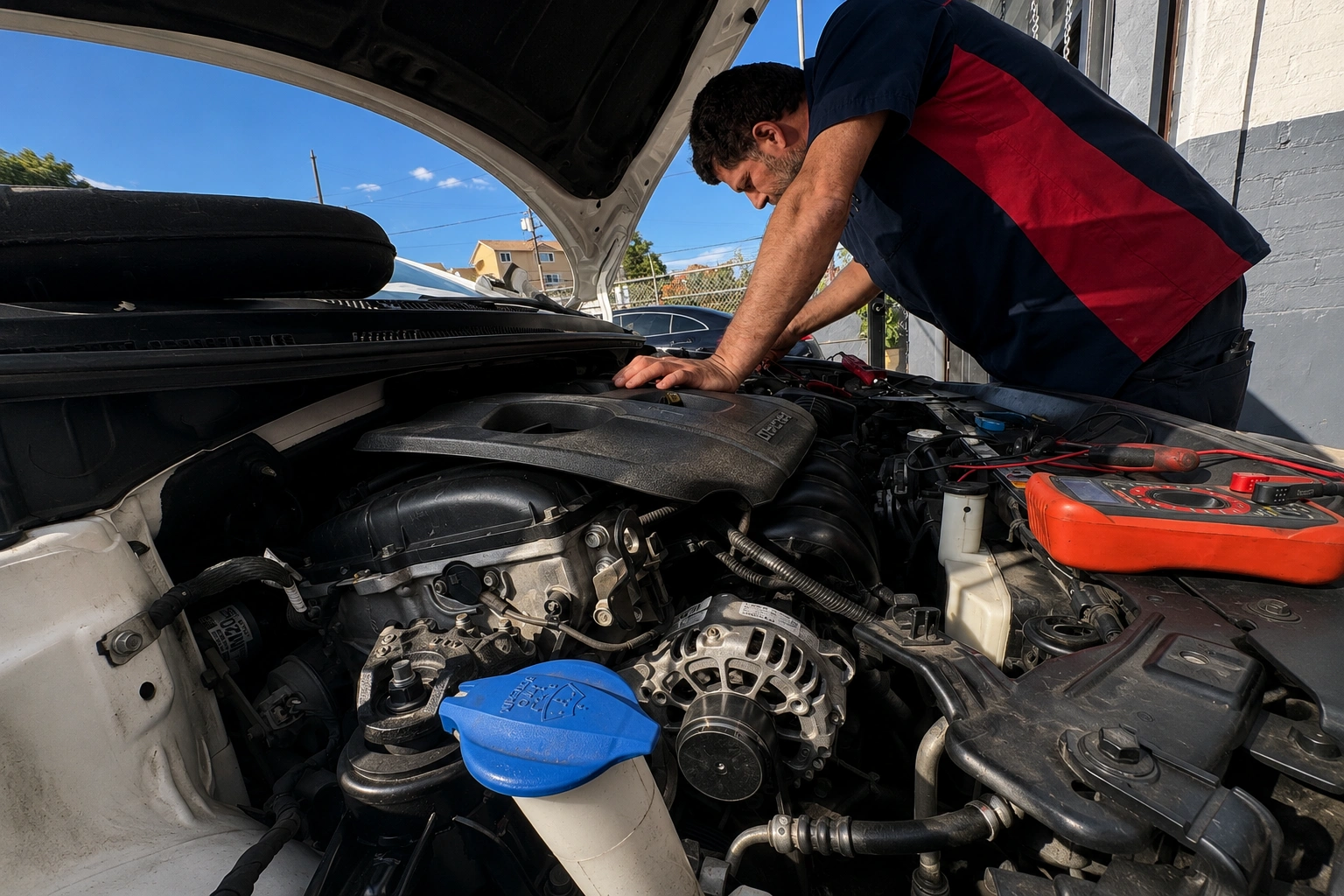
Engine and drivability complaints can have several possible causes. Accurate diagnosis may include reviewing fault codes, checking live data, testing ignition and fuel systems, inspecting air intake, evaluating charging voltage, checking cooling operation, and road-testing the vehicle.
Speedway's engine diagnostic service can help investigate warning lights, rough idle, poor acceleration, overheating symptoms, unusual noises, and related performance changes.
For questions to discuss before approving work, read this guide to questions to ask your mechanic.
Frequently Asked Questions About City Driving
How Often Should City Drivers Check Engine Oil
Check the level according to the owner's manual and more often when the vehicle consumes oil, develops a leak, operates under severe conditions, or shows a warning. A low oil-pressure warning requires immediate attention.
Does Stop and Go Driving Require More Frequent Service
It can. Idling, short trips, heat, heavy traffic, and repeated low-speed operation may qualify as severe use for some vehicles. Follow the manufacturer-specific schedule and discuss actual driving conditions with a technician.
Can Traffic Cause an Engine to Overheat
Traffic may expose a cooling-system weakness because the vehicle receives less natural airflow while idling. Possible causes include low coolant, a leak, a thermostat, radiator restriction, fan failure, belt problems, or another fault.
Does Hybrid or Electric Power Reduce Traffic Wear
Hybrid and electric vehicles operate differently and may reduce certain engine-idling demands, but they still require maintenance for tires, brakes, cooling, batteries, suspension, software, and other systems.
Can Traffic Damage Void a Warranty
Driving conditions alone do not automatically void a warranty, but skipped or undocumented maintenance can create coverage questions. Follow the manufacturer's schedule and keep detailed records.
Why Downtown LA Drivers Choose Speedway Mechanics
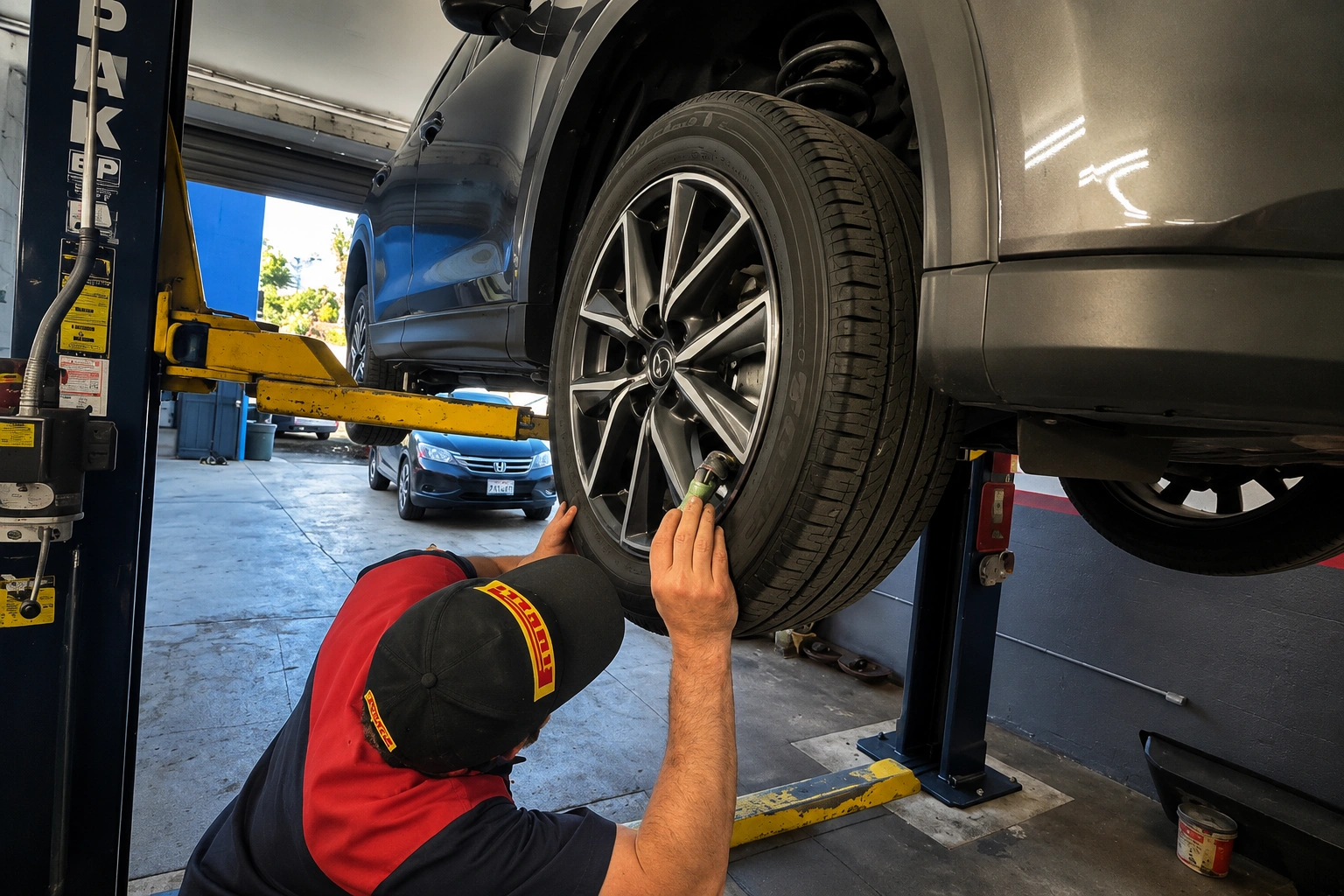
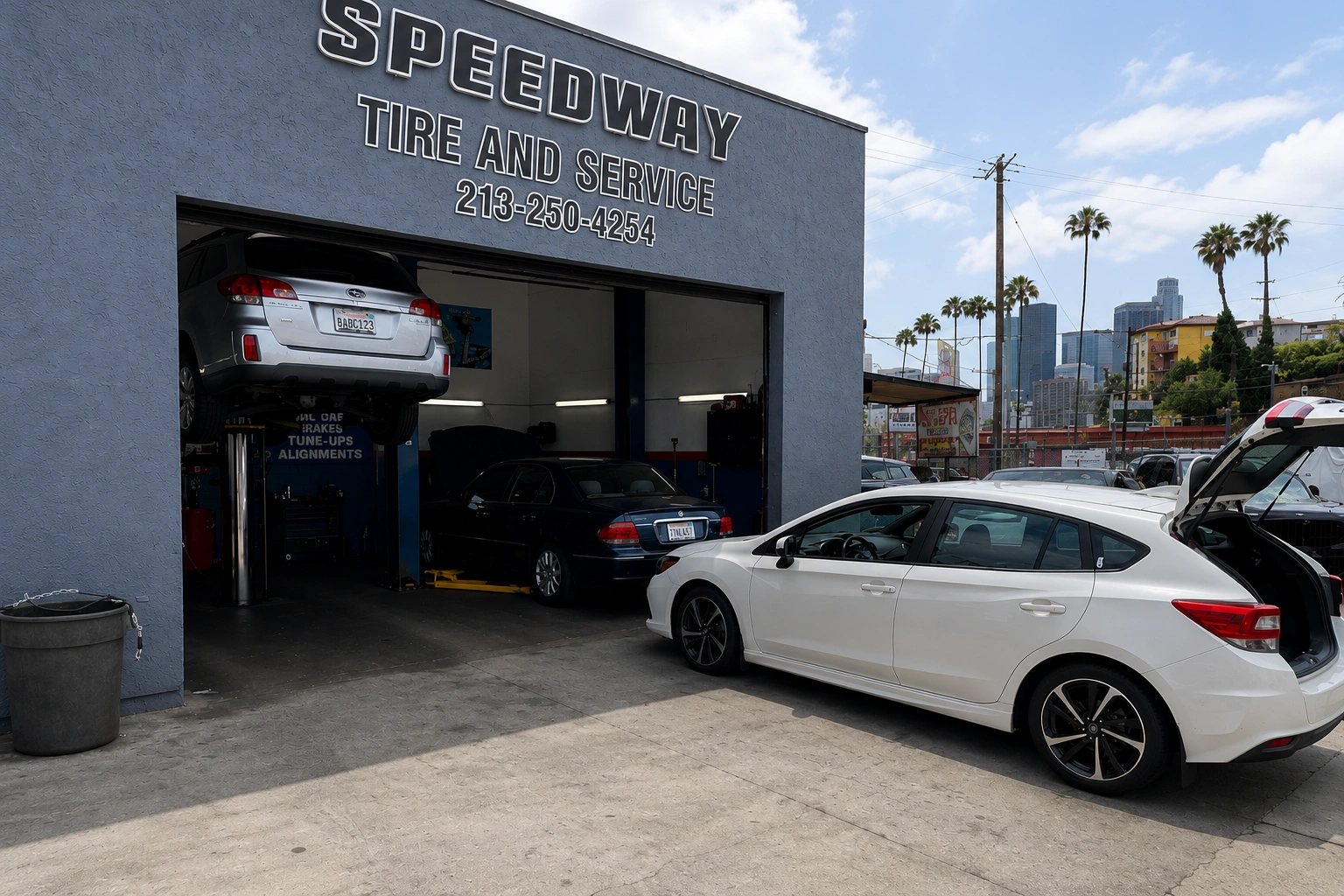
Speedway Tire and Service helps Downtown LA drivers adapt maintenance to traffic, heat, hills, short trips, and daily mileage. Our technicians can inspect oil and fluids, diagnose engine symptoms, evaluate cooling systems, review batteries, and address related vehicle concerns.
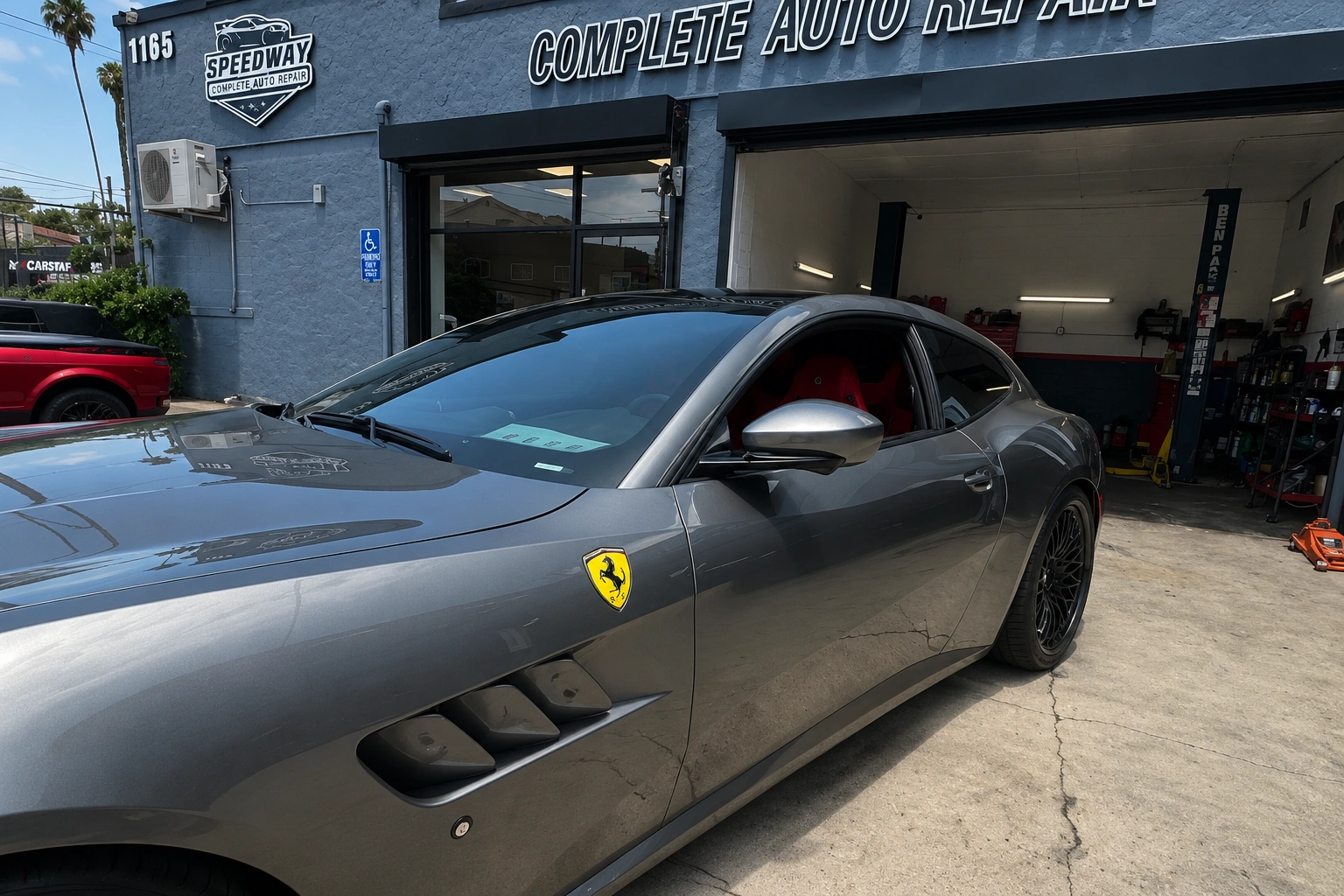
We serve Downtown LA, the Arts District, the Financial District, Echo Park, Silver Lake, and surrounding communities from 1165 West Sunset Blvd.
Call (213) 250-4254 to schedule an engine inspection or maintenance visit.
About Speedway Tire and Service
Speedway Tire and Service provides honest automotive maintenance and repair for Los Angeles drivers. Our technicians handle oil changes, engine diagnostics, transmissions, brakes, tires, batteries, suspension, wheel alignment, and general vehicle service.
Looking for an Honest Auto Repair Shop in Los Angeles
Whether you are sitting in LA traffic or cruising the freeways, your vehicle deserves expert care. Located in Los Angeles, Speedway Tire and Service offers reliable oil changes, engine diagnostics, brake repairs, tire services, and more, backed by experienced technicians and honest pricing.
Call Now (213) 250-4254
Looking for an honest Auto Repair Shop in Los Angeles? Call Speedway Tire and Service Today
Whether you’re driving through LA traffic or cruising the freeways, your car deserves expert care. Located in Los Angeles, Speedway Tire and Service offers reliable oil changes, brake repairs, tire services, and more—all backed by experienced technicians and honest pricing.