How to Extend Your Car Battery Life in Echo Park
Your car battery powers the starter, vehicle electronics, lights, security systems, and other electrical components. Echo Park driving can include traffic, short trips, frequent starts, hills, heat, and periods of idling, all of which make battery condition important for reliable starting.
Battery life varies with climate, vehicle design, driving pattern, battery type, charging-system health, accessory use, and maintenance. Practical care can help you identify a weak battery before it leaves you stranded, but no maintenance routine can restore a battery that has reached the end of its service life.
Why Battery Health Matters
A healthy battery supplies the high current required to start the engine and supports stable electrical voltage. The alternator recharges the battery while the engine runs, but short trips and extended idling may not replace the energy used during repeated starts.
Battery problems can also be caused by a weak alternator, a parasitic electrical drain, corroded connections, a loose ground, a damaged cable, or a problem with the starter. Testing the complete starting and charging system is more reliable than replacing the battery based on one symptom.
Signs Your Battery May Be Weak
- The engine cranks more slowly than usual
- Lights dim during starting or electrical accessories behave inconsistently
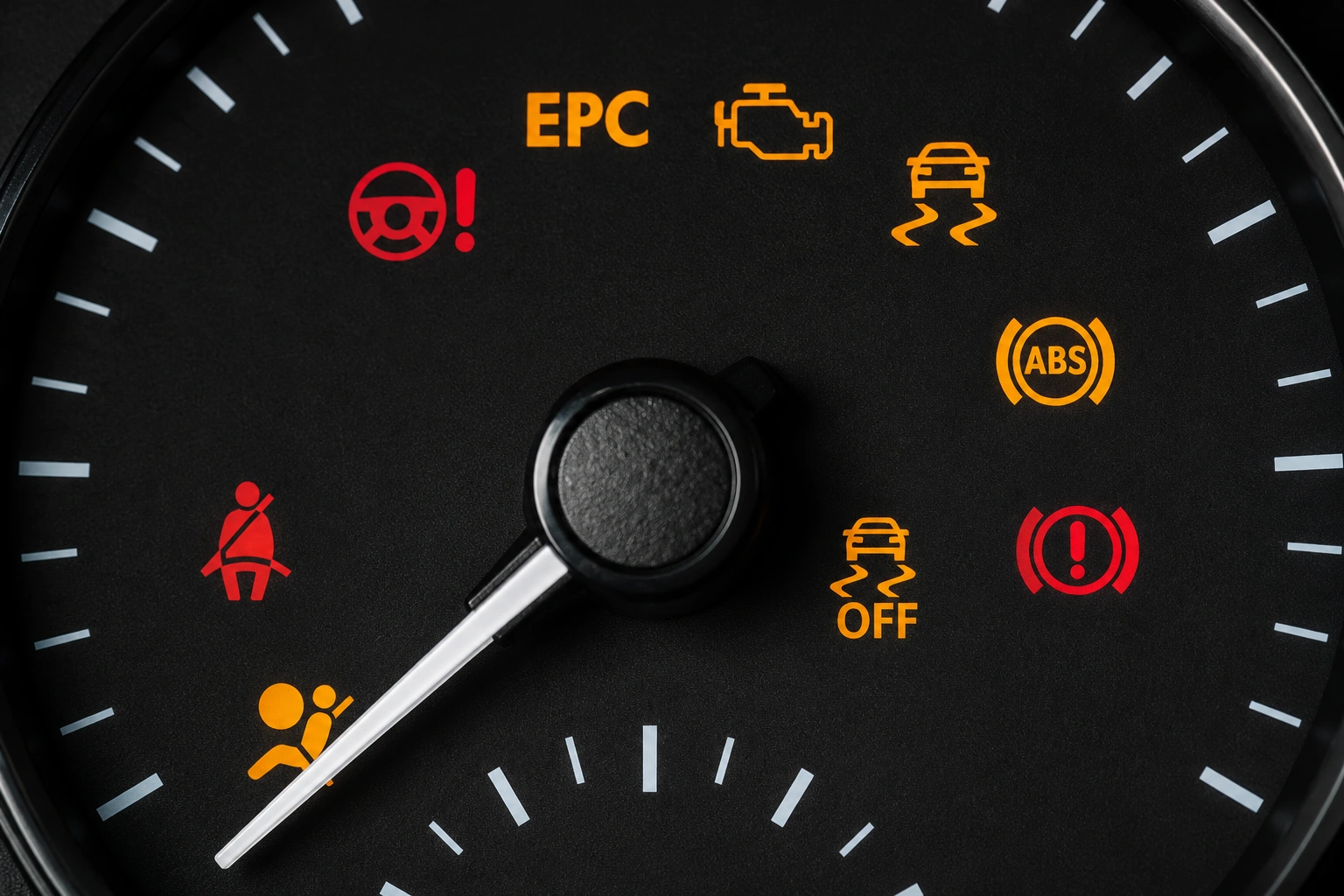
- A battery, charging, or electrical warning appears on the dashboard
- The vehicle needs repeated jump starts
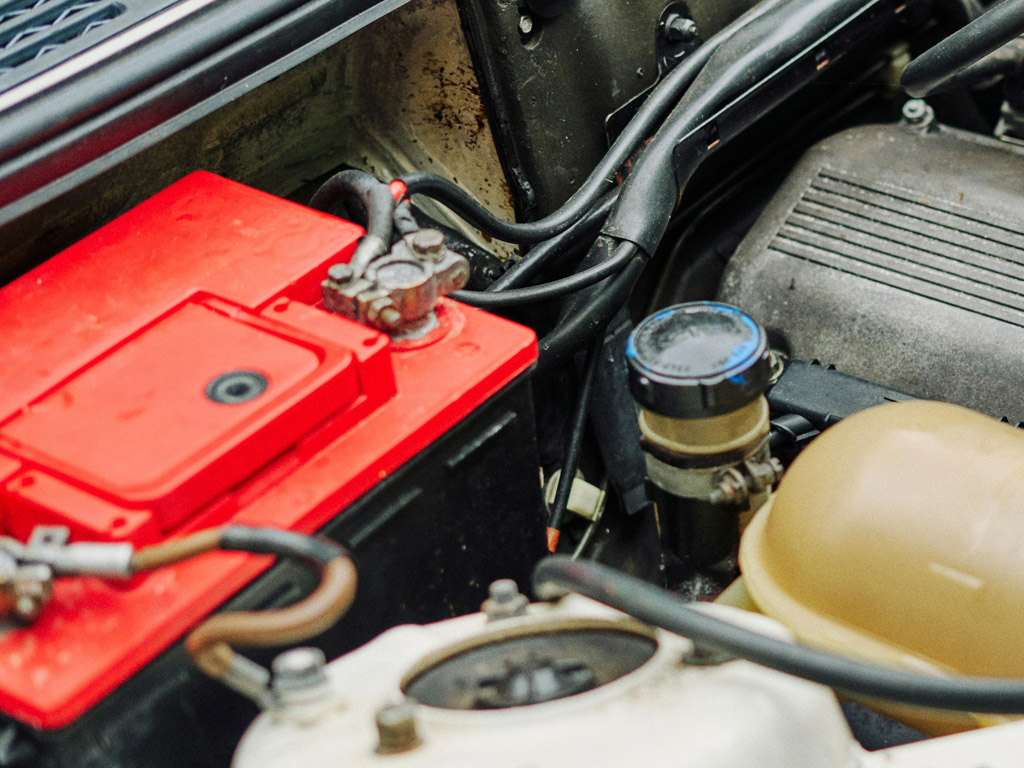
- White or green corrosion appears around the terminals
- The battery case is swollen, cracked, leaking, or damaged
- The vehicle sits for long periods and has difficulty starting afterward
A swollen, cracked, leaking, or hot battery should not be handled casually. Arrange professional assistance and follow the vehicle manufacturer's safety instructions.
Keep Battery Connections Clean
Corrosion and dirt can increase electrical resistance at the terminals and connections. Inspect the battery only when it is safe, keep the area dry, and have corrosion removed using appropriate procedures and protective equipment.
Do not disconnect a modern vehicle battery without considering radio codes, electronic settings, battery-management systems, and manufacturer procedures. A professional can clean and secure the connections while checking for the reason corrosion developed.
Secure the Battery Properly
A loose battery can vibrate over rough roads and hills, contributing to case damage, internal wear, or damaged terminals. The hold-down should be secure without being overtightened or placed incorrectly.
If the battery moves when gently checked according to the manufacturer's guidance, arrange an inspection. Do not place objects on top of the battery or modify the hold-down system.
Limit Electrical Drain
Turn off lights, chargers, audio equipment, and other accessories when the engine is not running unless the vehicle is designed to operate them in that mode. A device that remains powered after the vehicle is parked can drain the battery.
If the battery repeatedly goes flat after sitting overnight, request a parasitic-draw test rather than replacing the battery repeatedly. The drain may come from an accessory, module, light, wiring fault, or charging system.
Drive Long Enough to Recharge
Frequent very short trips may use more starting energy than the alternator can replace. When practical, combine errands or take a drive long enough for the vehicle's charging system to operate normally, while following safe driving practices.
Starting the vehicle and letting it idle briefly is not always an effective substitute for driving. It may add fuel use and emissions without fully recharging a weak battery.
Protect the Battery from Echo Park Heat
High temperatures can accelerate battery aging and fluid evaporation in some battery designs. Parking in shade when practical, keeping the battery clean, and responding to slow cranking can help you manage heat-related wear.
Heat can also expose charging-system or cooling problems. If the battery warning appears, lights flicker, or the engine overheats, stop safely and arrange diagnosis.
Test the Starting and Charging System
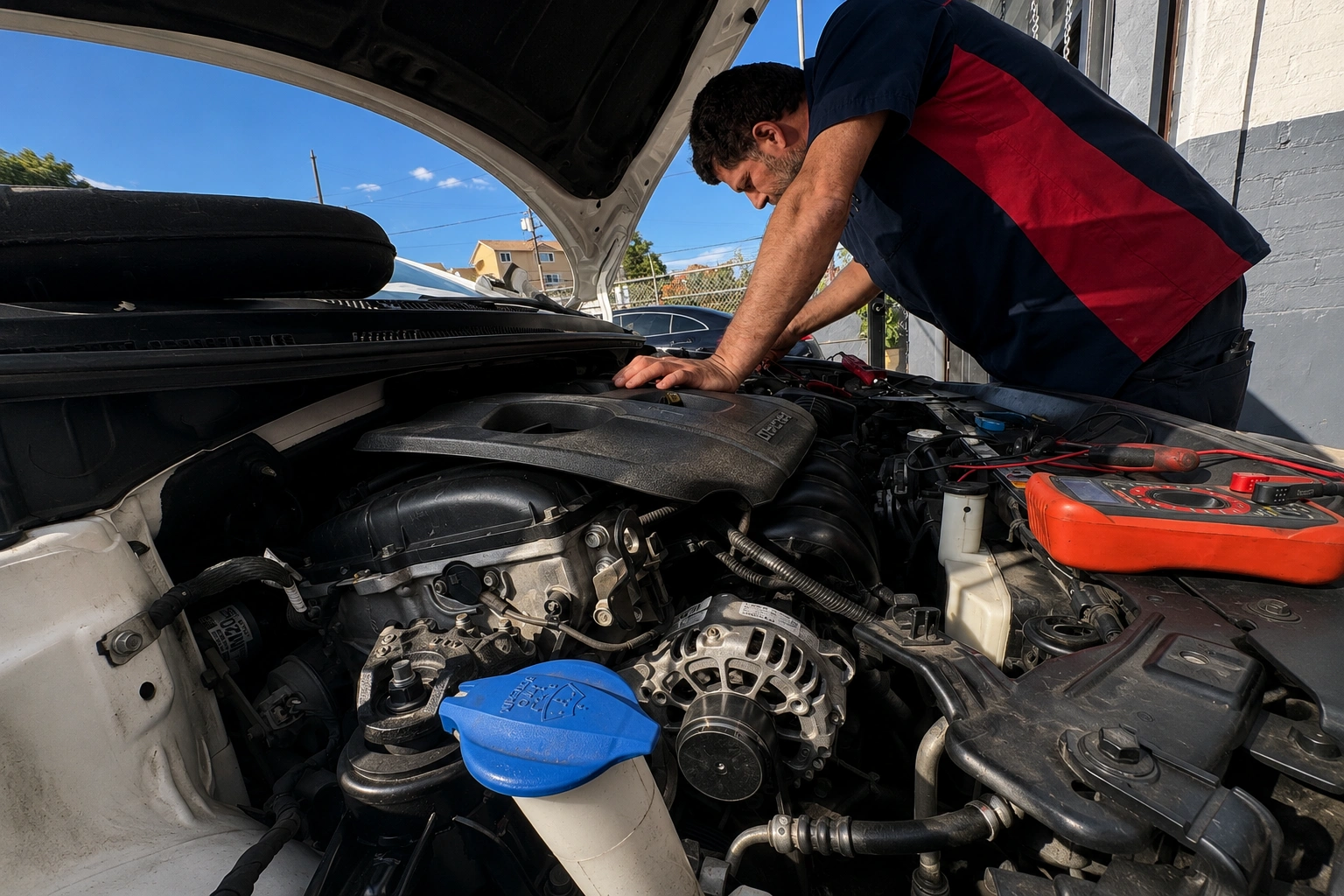
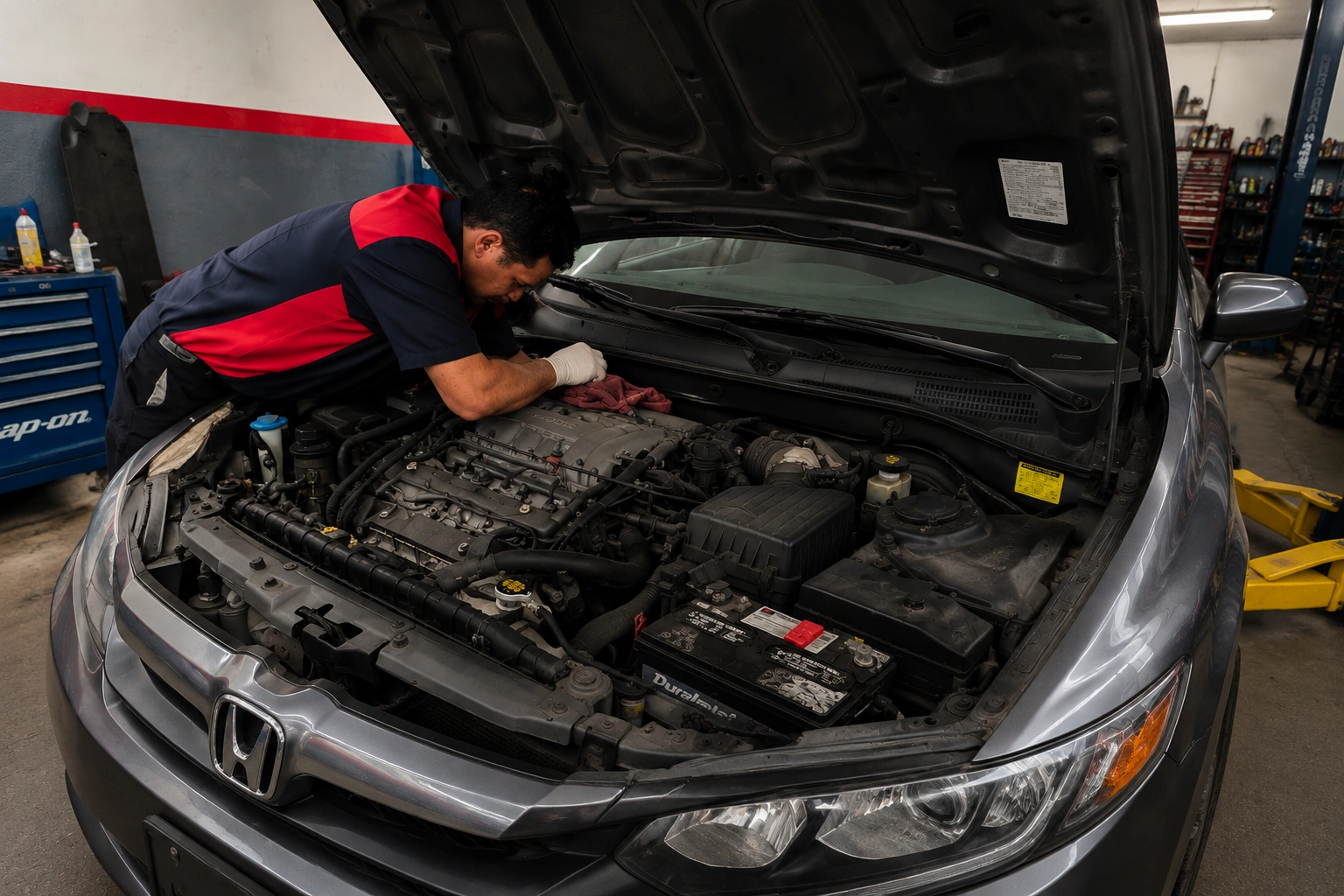
Periodic testing can measure battery state of charge, starting performance, charging voltage, and sometimes reserve capacity. The results help distinguish a battery nearing replacement from an alternator, starter, cable, or parasitic-drain problem.
Use Speedway's battery testing and replacement service for a professional evaluation.
Choose the Correct Replacement Battery
When replacement is necessary, match the vehicle's required group size, terminal arrangement, capacity, cold-cranking rating, battery technology, and manufacturer specifications. Vehicles with start-stop or battery-management systems may require a specific battery type and registration procedure.
A higher rating is not automatically better if the battery does not fit the vehicle's electrical and physical requirements. Ask about warranty, installation, and disposal of the old battery.
When Battery Problems Need Diagnostics
Arrange diagnosis for repeated dead batteries, slow cranking after replacement, battery warnings, flickering lights, electrical accessories that remain on, unexplained overnight drain, or a vehicle that stalls after starting.
Review this guide to automotive diagnostics in Echo Park when the problem may involve more than the battery itself.
Engine starting and charging symptoms can also overlap with mechanical or engine-management concerns. Speedway's engine diagnostic service can help evaluate related performance problems.
Battery Maintenance Questions
How Long Should a Car Battery Last
Service life varies with temperature, driving pattern, battery type, vehicle electronics, charging-system condition, and maintenance. Testing is more useful than relying on a fixed replacement date.
Does Idling Recharge the Battery
Idling may provide some charging, but the result depends on the vehicle and electrical load. It is not always enough to restore a battery after repeated short trips or a jump start.
Can I Clean Corrosion Myself
Battery corrosion should be handled carefully with appropriate protection and procedures. If the battery is damaged, leaking, swollen, or difficult to access, arrange professional service.
Should I Replace the Battery After One Jump Start
Not necessarily. A jump start may follow a light left on, extended storage, a charging fault, an electrical drain, or a weak battery. Test the battery and charging system before deciding.
Why Echo Park Drivers Choose Speedway
Speedway Tire and Service helps Echo Park drivers test, maintain, and replace vehicle batteries while checking related starting and charging concerns. Our team can also assist with tires, brakes, oil changes, suspension, wheel alignment, engine work, transmissions, and general vehicle service.
Read about choosing a reliable mechanic when planning battery or electrical service.
For vehicles that need regular maintenance alongside battery care, use the oil change service according to the manufacturer's schedule.
Call (213) 250-4254 to schedule a battery test or ask about current availability in Echo Park.
Looking for an honest Auto Repair Shop in Los Angeles? Call Speedway Tire and Service Today
Whether you’re driving through LA traffic or cruising the freeways, your car deserves expert care. Located in Los Angeles, Speedway Tire and Service offers reliable oil changes, brake repairs, tire services, and more—all backed by experienced technicians and honest pricing.