Wheel Bearing Noise vs Tire Noise - How to Tell What’s Really Humming
A humming or roaring sound while driving can make it difficult to know whether you are hearing a tire problem or a worn wheel bearing. Understanding wheel bearing noise vs tire noise can help you collect useful clues, but sound alone cannot confirm the failed part. Uneven tread wear, tire cupping, improper inflation, wheel imbalance, alignment problems, suspension wear, and drivetrain components can all create overlapping noises.
For Los Angeles drivers, changes in pavement texture, freeway speeds, potholes, curbs, and stop-and-go driving can make an existing noise more noticeable. If the sound is new, getting louder, or accompanied by vibration, pulling, looseness, or unusual tire wear, arrange an inspection instead of assuming that replacing the tires or bearing will solve it.
How can you compare wheel bearing noise vs tire noise?
A worn wheel bearing often produces a steady hum, growl, or rumble that increases with vehicle speed. The sound may change when the vehicle is loaded in a turn, but that clue is not conclusive and can be difficult to interpret from inside the cabin. A tire-related noise may also increase with speed, but it is more likely to vary with tread pattern, uneven wear, cupping, tire pressure, road surface, temperature, or recent tire service.
The best way to separate the possibilities is to inspect the tires and wheels, check for abnormal wear or looseness, and have a technician evaluate the wheel bearing, tire-and-wheel assembly, suspension, and alignment together. Firestone lists uneven tread wear, cupping, improper inflation, misalignment, suspension wear, tire design, and failing wheel bearings as possible sources of loud tire noise.
|
Clue |
Tire-related possibility |
Wheel-bearing possibility |
|
Sound changes noticeably on different pavement |
Tread design, uneven wear, or cupping becomes more likely |
A bearing can still sound different on different surfaces, so this is not conclusive. |
|
Hum or roar rises with road speed |
Tire wear, balance, cupping, or bearing noise |
Common pattern for a worn bearing, especially if it persists across surfaces. |
|
Sound changes during a turn |
Tire load, tread noise, bearing load, or suspension movement |
Possible bearing clue, but not a definitive test. |
|
Visible uneven or scalloped tread |
Strongly supports a tire, alignment, balance, or suspension-related cause |
Does not rule out a bearing problem. |
|
Vibration through the steering wheel or seat |
Tire imbalance, wheel damage, tire damage, or suspension issue |
Possible bearing play or damage, but other causes must be checked. |
|
Wheel looseness or hub play |
Could indicate wheel, tire, or fastener concerns |
May indicate a bearing or hub issue, but home checks are not reliable on every vehicle. |
Use the table to organize observations, not to self-diagnose a safety-critical component.
What does a bad wheel bearing sound like?
Wheel bearings allow the wheel and hub assembly to rotate with controlled friction. As a bearing wears, its internal surfaces may develop roughness or play. The resulting noise is often described as humming, growling, rumbling, or grinding. It commonly becomes more noticeable as road speed increases, regardless of engine RPM.
A worn bearing may sound different during a gentle, controlled turn because cornering changes the load on the wheel-end assembly. However, sound can travel through the body and suspension, so the apparent location inside the cabin may be misleading. The noise may not seem to come from the actual damaged wheel.
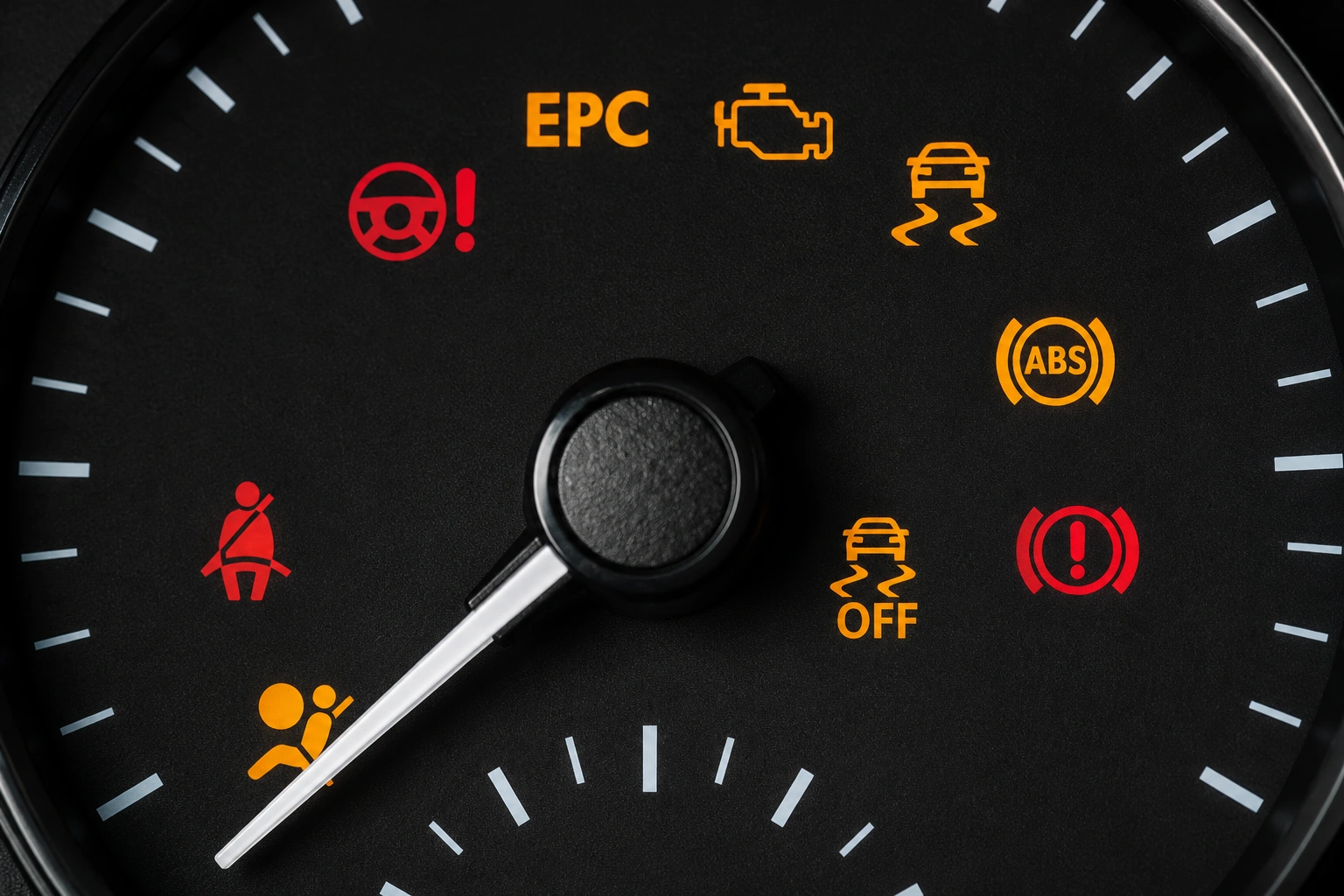
Other possible bearing-related clues include a change in hub temperature, looseness, steering vibration, or an ABS warning on vehicles where the wheel-speed sensor is integrated with the hub. These signs vary by design, and the absence of a warning light does not rule out a bearing problem.
What does tire noise sound like?
Tire noise is produced by the interaction between the tread and the road. Some tire designs naturally create more road noise, especially aggressive all-terrain or performance patterns. A tire can also become louder as it wears unevenly, develops cupping or scalloping, loses correct inflation, or suffers from alignment or suspension problems.
Tire roar may be louder on coarse pavement and quieter on smooth asphalt. A rhythmic thumping or repeating pattern can point toward irregular tread wear, a balance issue, or tire damage. Noise that began after installing new tires may be related to tread design, tire size, installation, balance, alignment, or a problem that was already present before the tire change.
Do not assume that all four tires should sound identical. Tire position, wear pattern, rotation history, load, road surface, and vehicle insulation can change the sound heard by the driver.
Wheel bearing noise vs tire noise- key differences
When comparing wheel bearing noise vs tire noise, focus on the full pattern rather than one clue. Note whether the sound follows vehicle speed, engine speed, road surface, cornering load, or changes in pavement. A noise that remains similar while coasting and accelerating at the same road speed may be related to a rotating wheel-end or tire component, but that observation still does not identify the exact part.
A tire problem is more likely when the tires show cupping, feathering, scalloping, irregular wear, a bulge, a cut, or a pressure problem. A wheel-bearing problem becomes more concerning when the hum or growl is persistent, rises with road speed, and is accompanied by looseness, roughness, hub play, or a change under cornering load. Both conditions can exist at the same time, and a worn bearing can contribute to tire wear.
Avoid deliberately swerving or making sharp turns to reproduce the noise. A technician can conduct a controlled road test and inspect the vehicle on a lift without creating an unnecessary handling risk.
Other problems that can sound like a tire or wheel bearing
A humming, roaring, or grinding sound is not limited to tires and bearings. A worn CV joint or axle, differential, driveshaft, brake shield, brake hardware, bent wheel, loose lug nuts, damaged tire, or suspension component can produce a similar complaint. A humming noise that changes with engine RPM rather than road speed may point toward an engine or accessory issue instead of a wheel-end problem.
A vibration during braking deserves a brake and wheel inspection. A vibration during acceleration may involve a tire, wheel, CV axle, drivetrain mount, or suspension part. A clicking noise during tight turns is more commonly associated with a CV joint than with a wheel bearing. Giving the technician the exact conditions—speed, turn direction, acceleration, braking, and pavement—can reduce diagnostic guesswork.
Safe checks you can make before visiting a shop
Park on a level surface, switch the engine off, and visually inspect each tire for low pressure, bulges, cuts, exposed cords, embedded objects, or unusual tread wear. Check tire pressure with a reliable gauge when the tires are cold and use the pressure listed on the driver’s door-jamb label or in the owner’s manual, not the maximum pressure printed on the tire sidewall.
Look for scalloped or cupped tread by running your eyes across the tread blocks; do not place your hands on a tire if you see exposed cords, a bulge, or other structural damage. Note whether a wheel has visible impact damage or whether a wheel cover is loose. Do not crawl under the vehicle, spin a lifted wheel, or check for hub play unless you have the correct lifting equipment, a stable work area, and the training to do so safely. A bearing can feel normal in a basic home check and still require professional evaluation.
Do not drive on a tire that is rapidly losing air, has a sidewall bulge, or shows exposed cords. If the vehicle wobbles, steering feels loose, grinding is severe, a wheel is visibly damaged, or control is affected, stop safely and request roadside assistance or a tow.
How a technician diagnoses the noise
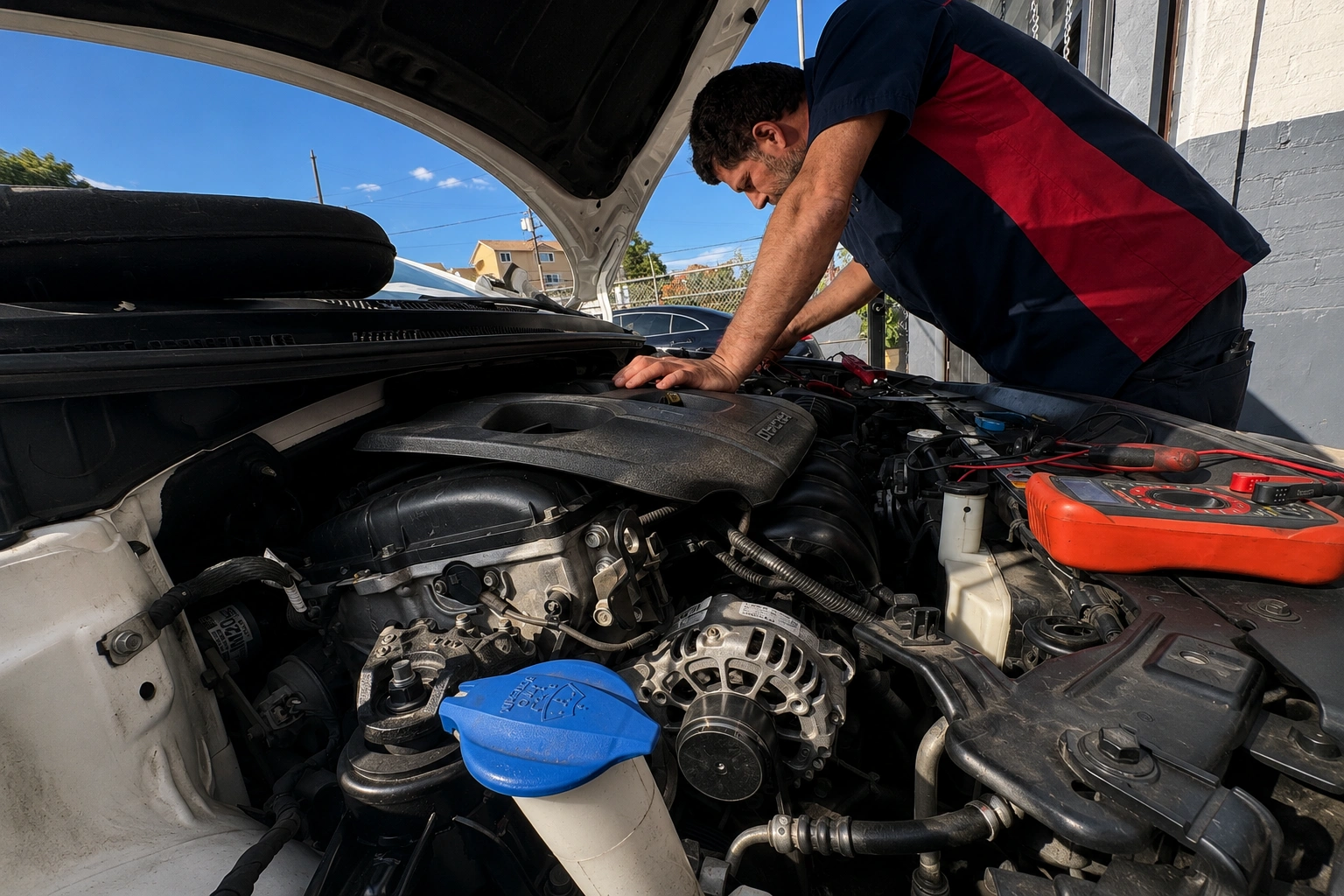
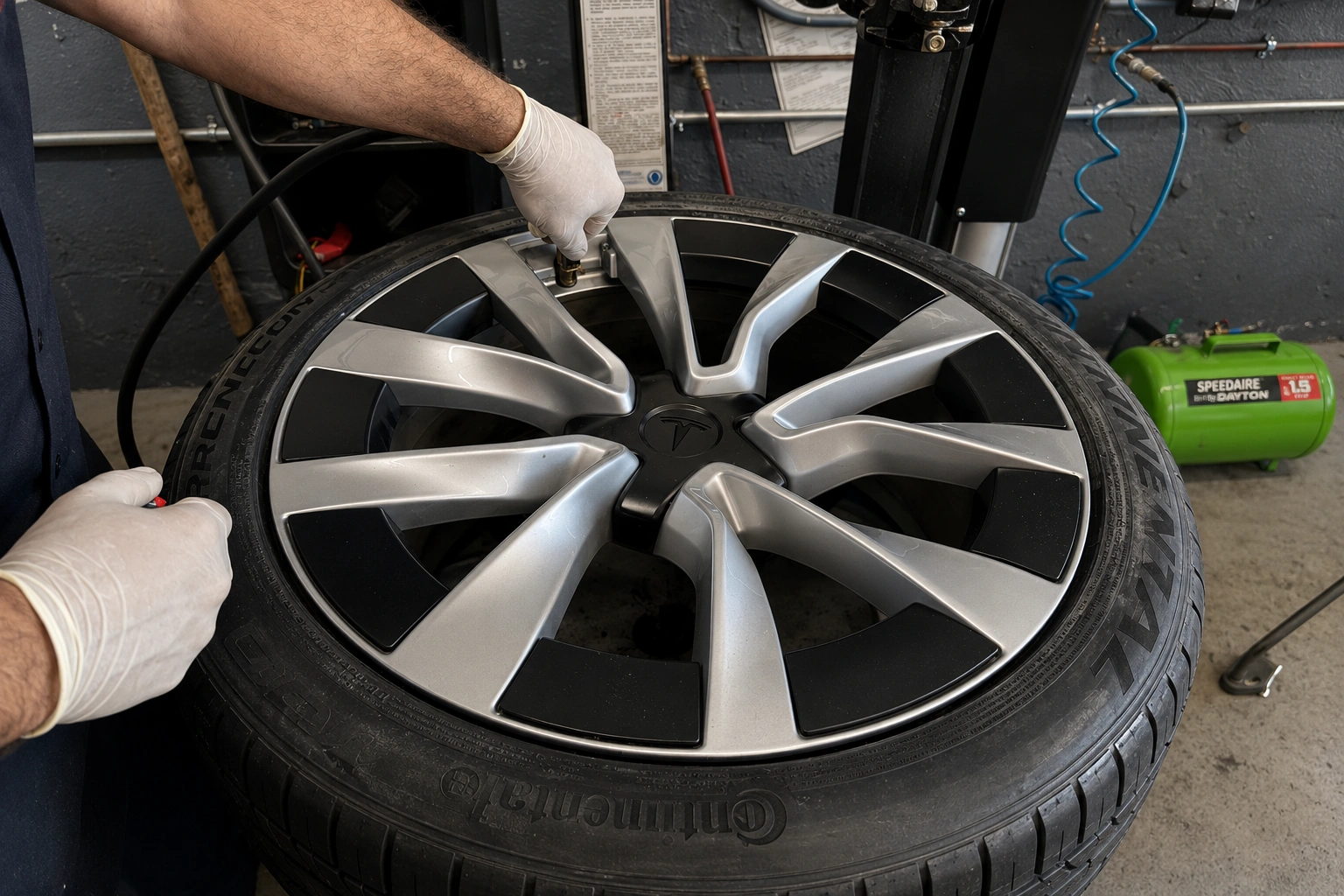
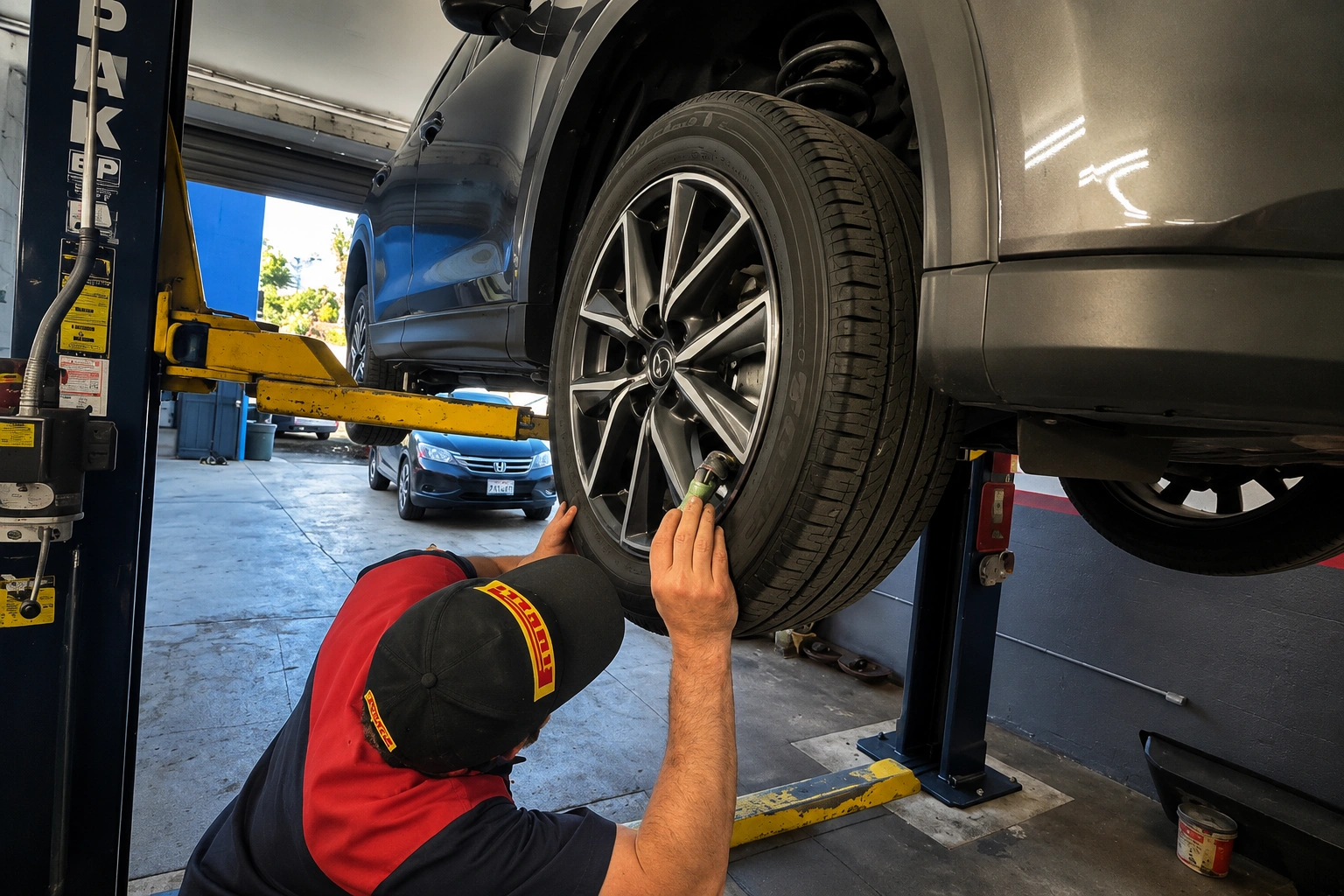
A professional inspection usually begins with the noise history and a controlled road test, followed by inspection of the tires, wheels, brakes, steering, suspension, and wheel bearings. The technician may look for uneven tread, cupping, tire damage, wheel runout, missing wheel weights, improper inflation, bearing roughness, hub play, loose hardware, and signs of impact.
Depending on the symptoms, the shop may measure tire and wheel balance, inspect wheel-bearing play and rotation, compare alignment readings with vehicle specifications, evaluate suspension components, and scan for ABS or wheel-speed sensor faults. A bearing should not be condemned solely because the noise changes during a turn, and a tire should not be replaced solely because the noise is loud.
Some bearing and hub assemblies are sealed and require replacement as an assembly, while others have serviceable components. Tire noise may require correcting pressure, balancing, rotation, alignment, suspension repairs, tire replacement, or simply selecting a quieter tread design. The appropriate repair depends on the confirmed cause and the vehicle’s specifications.
When to seek wheel-bearing or tire service in Los Angeles
Schedule an inspection if the humming or roaring noise is new, persistent, increasing with speed, changing during turns, or accompanied by uneven wear or vibration. Seek more urgent assistance if you notice wheel looseness, severe grinding, a damaged or underinflated tire, unstable handling, a burning smell near a wheel, or a sudden change in steering response.
For Los Angeles drivers, contact Speedway Tire & Service to ask about current tire, wheel, alignment, suspension, and drivetrain diagnostic availability. The shop’s auto repair services page provides additional service information. Confirm the shop’s current capabilities before driving a vehicle with severe noise, wheel play, a damaged tire, or unstable handling.
How to reduce tire and wheel noise
Maintain tire pressure according to the vehicle manufacturer’s specification, rotate tires according to the owner’s manual, and address uneven wear early. Keep wheel alignment and suspension components in good condition so the tire maintains more consistent contact with the road. After installing tires or repairing a wheel, confirm that the assembly is balanced and that the lug nuts are tightened to the correct specification.
Routine service cannot prevent every wheel-bearing failure, tire defect, or road-hazard impact. It can make developing problems easier to identify and may prevent an alignment or suspension issue from creating severe uneven tread wear.
Frequently asked questions
How can I tell the difference between wheel bearing noise vs tire noise?
A wheel bearing often creates a steady hum, growl, or rumble that increases with road speed and may change under cornering load. Tire noise may vary more with tread design, cupping, uneven wear, pressure, and pavement texture. Because the patterns overlap, a technician should inspect both the tire-and-wheel assembly and the bearing.
Does wheel-bearing noise change when turning?
It can. Turning changes the load on the wheel-end assembly, which may change the sound from a worn bearing. However, tire noise, suspension movement, and road surface can also change during a turn, so this clue does not confirm a bearing failure.
Can uneven tire wear sound like a bad wheel bearing?
Yes. Cupping, scalloping, feathering, and other irregular tread patterns can create a humming or roaring noise that rises with speed. Tire wear may be related to inflation, balance, alignment, suspension condition, rotation history, or a bearing problem.
Is it safe to drive with a noisy wheel bearing?
A noisy bearing should be inspected promptly because wear can progress and may affect wheel-end stability. Do not drive if you notice severe grinding, wobble, looseness, unstable handling, a burning smell, or a sudden change in the noise. Arrange professional assistance when the vehicle does not feel safe.
Why are my new tires louder than the old ones?
Tire design, tread blocks, sidewall construction, size, road surface, and vehicle insulation can all affect noise. Incorrect pressure, improper balance, alignment issues, suspension wear, or a damaged tire can also create excessive noise after installation. Have the shop verify the tire specification, pressure, balance, and vehicle condition.
Can a wheel alignment fix humming noise?
An alignment can help when uneven wear or an alignment-related tire condition is producing the noise, but it will not repair a worn wheel bearing, damaged tire, bent wheel, or defective suspension component. Inspect the underlying parts before assuming that an alignment adjustment is the complete solution.
Conclusion
Understanding wheel bearing noise vs tire noise is useful when a vehicle begins to hum, roar, or growl, but no sound pattern is a guaranteed diagnosis. A steady noise that rises with road speed may come from a wheel bearing, while tread design, cupping, uneven wear, pressure, balance, alignment, or road surface may create tire noise that sounds very similar.
Inspect the tires safely, note when the sound changes, and do not deliberately perform risky maneuvers to reproduce it. If the noise is persistent or accompanied by vibration, wheel looseness, tire damage, pulling, grinding, or unstable handling, arrange a professional tire-and-wheel, bearing, suspension, and alignment inspection before the problem becomes more serious.
Looking for an honest Auto Repair Shop in Los Angeles? Call Speedway Tire and Service Today
Whether you’re driving through LA traffic or cruising the freeways, your car deserves expert care. Located in Los Angeles, Speedway Tire and Service offers reliable oil changes, brake repairs, tire services, and more—all backed by experienced technicians and honest pricing.