Is an Extended Car Warranty Worth It in Los Angeles? An Honest Breakdown

Whether an extended car warranty is worth it depends on your vehicle's reliability, your mileage, the contract's fine print, and how comfortable you are with a surprise repair bill. These plans—technically vehicle service contracts—can offer peace of mind on a complex or out-of-warranty car, but many come with deductibles, exclusions, and approved-shop rules that limit their value. The honest answer is that it varies: for some Los Angeles drivers it pays off, for others a maintenance fund makes more sense. The key is reading the terms and keeping up with the upkeep that prevents big failures in the first place.
What is an extended car warranty (vehicle service contract)?
An “extended car warranty” is usually a vehicle service contract: an optional plan you pay for that helps cover certain repairs after the manufacturer's original warranty ends. Despite the name, most are not warranties from the automaker—they are contracts sold by dealers or third-party companies.
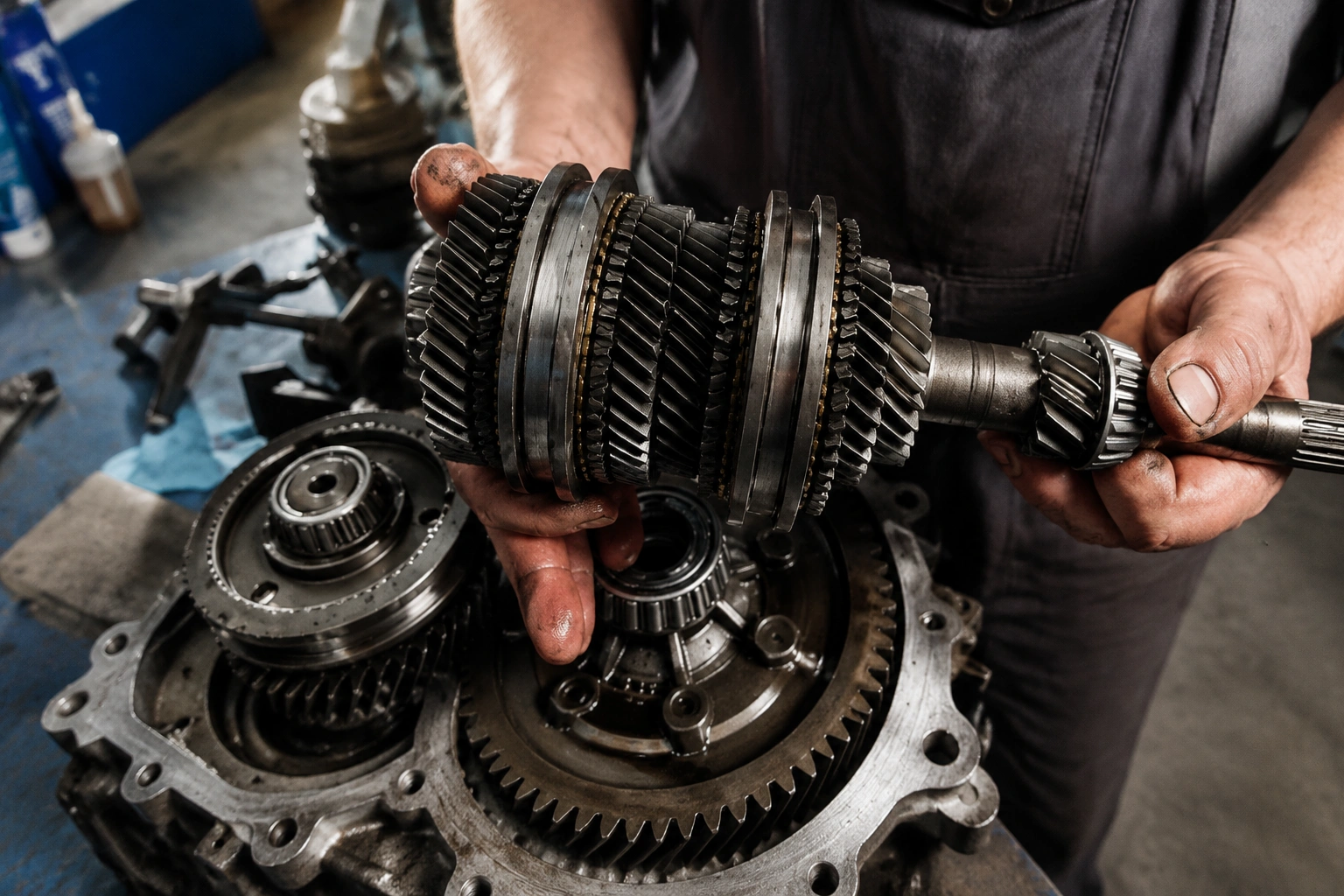
Each contract defines what it covers, what it excludes, the deductible per visit, and where you can have repairs done. Some cover major systems like the engine and transmission; others are more limited. Routine maintenance—oil changes, brake pads, tires, and wear items—is typically not covered, which surprises many drivers.
Knowing what a plan does and doesn't cover matters, because the maintenance it excludes is exactly the everyday auto repair and maintenance that keeps a car healthy and helps prevent the large failures a contract is meant to address.
When is an extended car warranty worth it?
An extended car warranty is more likely to be worth it when:
- You drive a model with a known history of expensive repairs, or a complex vehicle out of factory warranty.
- You plan to keep the car well past the original warranty and want predictable costs.
- A single large repair would be a financial hardship.
- The contract is clearly written, with coverage and exclusions you understand.
It is less likely to be worth it when the car is reliable, when you could self-fund repairs from savings, or when the contract is full of exclusions, high deductibles, or restrictive approval rules. Reliability, mileage, and the fine print drive the decision.
What's usually covered vs. not covered?
Coverage varies by contract, but the general pattern looks like this. Always confirm against the specific plan you are offered.
|
Category |
Often covered |
Usually NOT covered |
|
Engine internals |
Many major-component plans |
Damage from missed maintenance |
|
Transmission |
Many plans |
Neglect or fluid never serviced |
|
Electrical systems |
Some plans |
Aftermarket add-ons |
|
Wear items |
Rarely |
Brake pads, tires, wipers, filters |
|
Routine maintenance |
No |
Oil changes, rotations, alignments |
|
Damage causes |
No |
Accidents, abuse, lack of upkeep |
The takeaway: most plans target large mechanical failures, not the day-to-day upkeep that keeps a car running. That upkeep is still your responsibility—and skipping it can even void coverage.
What signs suggest a contract may be a poor fit (or a scam)?
Not every plan is a bad deal, but some warning signs deserve caution before you sign:
- High-pressure sales calls or mailers claiming your “warranty is about to expire.”
- Vague coverage that won't list exactly what is and isn't included.
- Heavy exclusions that rule out the parts most likely to fail.
- Pre-authorization hurdles that make claims slow or difficult.
- Restrictions on where you can have the work done.
Reading the full contract—deductible, claim process, covered parts, and approved repair locations—is the best protection. A legitimate plan will put all of that in writing.
How Los Angeles driving conditions factor into the decision
Local driving conditions in Echo Park, Silver Lake, and Downtown LA can accelerate wear on brakes, tires, suspension, and fluids—and most of that wear falls under maintenance, which contracts generally exclude.
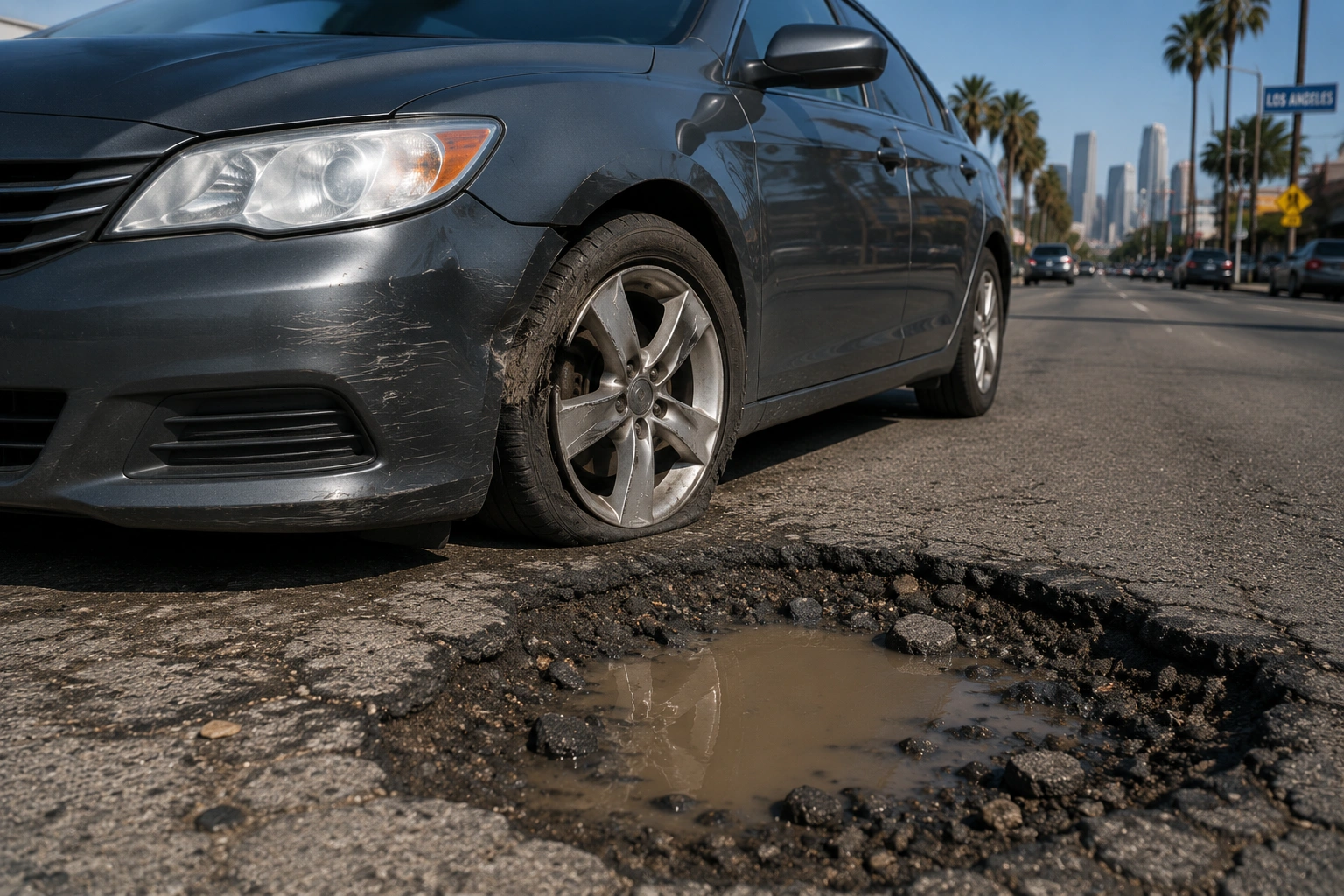
Stop-and-go traffic on the 101 and surface streets is hard on brakes and the cooling system. The steep hills around Silver Lake and Echo Park load the engine and transmission. Potholes can damage tires, wheels, and suspension. Heat and long idle times strain the battery. Because these everyday stresses mostly produce maintenance and wear items rather than the catastrophic failures a contract targets, staying current on upkeep often does more for your costs than a service contract alone.
What can happen if you rely on a contract and skip maintenance?
Treating a service contract as a substitute for upkeep can backfire:
- Denied claims if a failure is traced to missed maintenance.
- Voided coverage when service records aren't kept.
- Out-of-pocket wear repairs the contract never covered to begin with.
- Reduced safety if brakes, tires, or fluids are neglected.
- Higher total cost when small, deferred issues grow into large ones.
A contract may help with a major failure, but it doesn't replace the routine care that prevents one. Keeping records of that care also protects any coverage you do have.
What should you check before buying—or relying on—a plan?
Before you decide, review both the contract and your car's real condition. A useful checklist:
- The covered components list—confirm the parts most likely to fail are included.
- The exclusions and the deductible per visit.
- The claim and pre-authorization process.
- Where repairs can be performed and who pays the shop.
- Your car's mileage and reliability record.
- Any maintenance requirements needed to keep coverage valid.
- Whether a savings fund for repairs would serve you better.
If you are weighing a plan because you're unsure about your car's condition, a current inspection gives you facts to decide with.
How do you choose a trustworthy auto repair shop in Los Angeles?
Good auto service depends on clear inspection findings, honest recommendations, and matching the repair to the vehicle's needs. Whether or not you have a service contract, the shop you use shapes your real costs.
Practical things to look for in a mechanic near Silver Lake or Echo Park:
- A clear diagnostic process that inspects before recommending parts.
- Transparent communication and a written estimate before work begins.
- Recommendations that match the symptom instead of broad upsells.
- Quality parts and proper diagnostic tools.
- Help keeping maintenance records that protect any coverage you carry.
- The option to call first and confirm timing and next steps.
A shop that documents its work and explains findings clearly is valuable whether you self-fund repairs or use a contract. If you have questions about a plan or a repair, you can contact the shop to talk it through.
How does Speedway Tire & Service help?
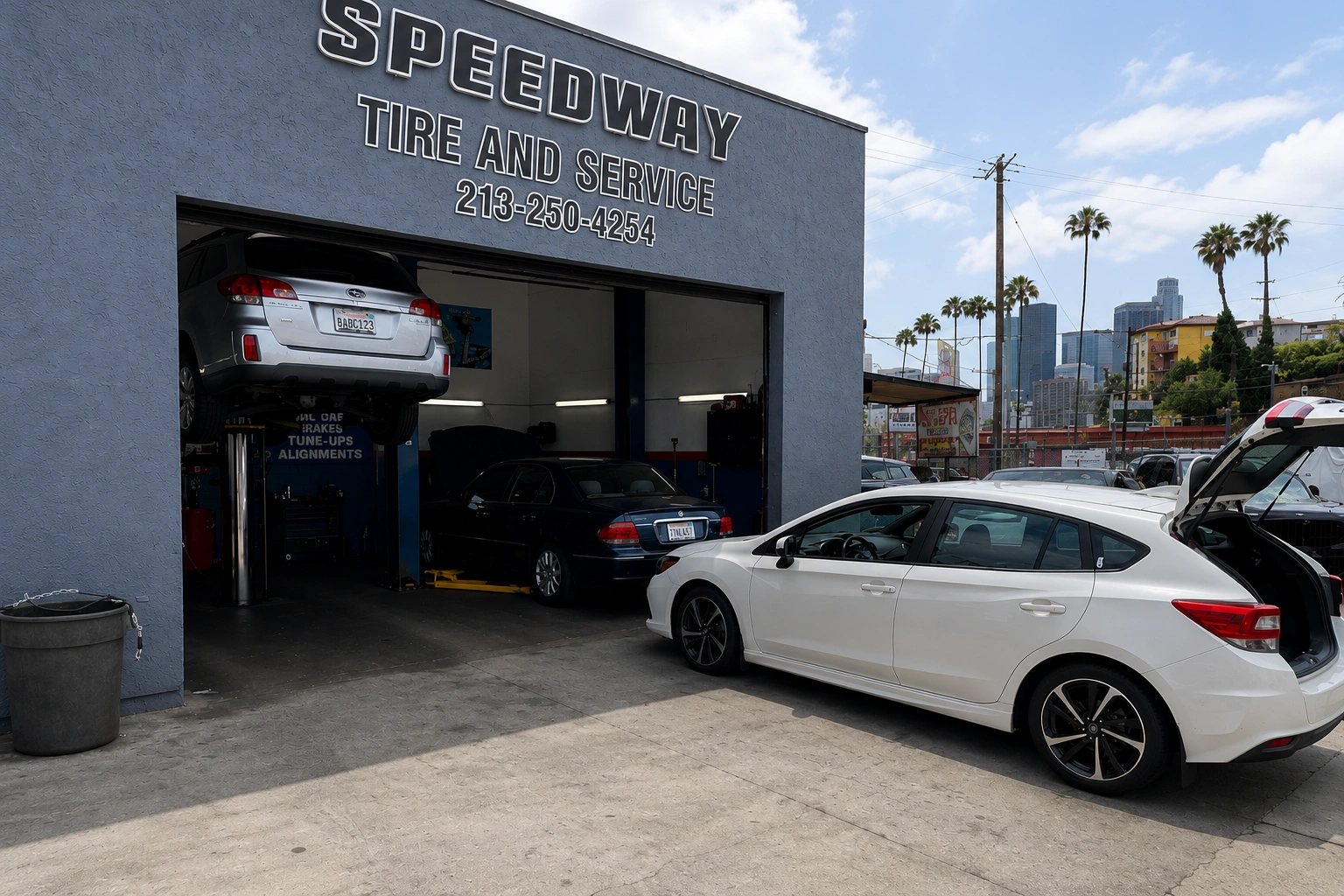
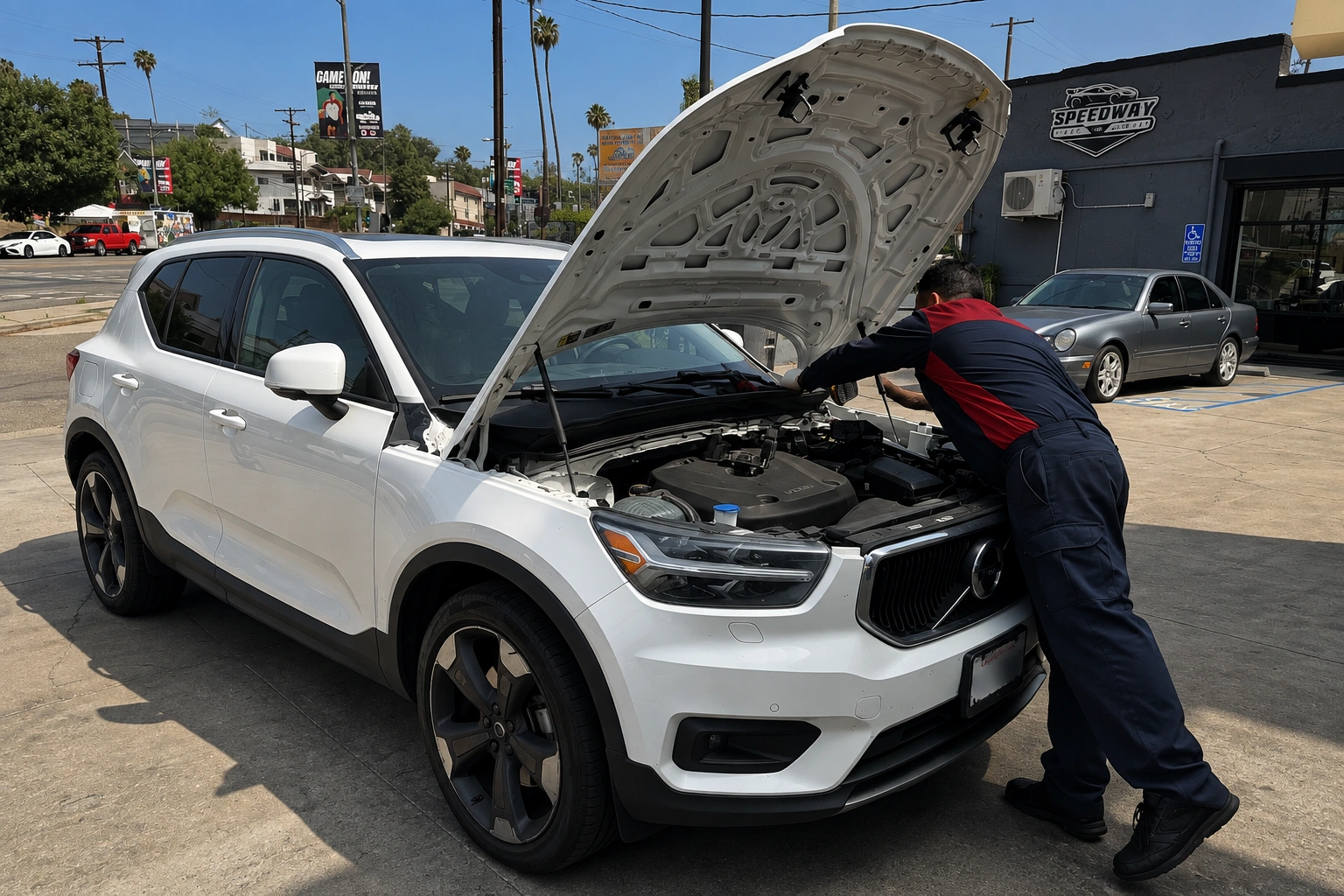
Speedway Tire & Service is a local tire and auto repair shop in Los Angeles, on West Sunset Boulevard, serving drivers in Echo Park, Silver Lake, Downtown LA, Chinatown, Lincoln Heights, and nearby neighborhoods.
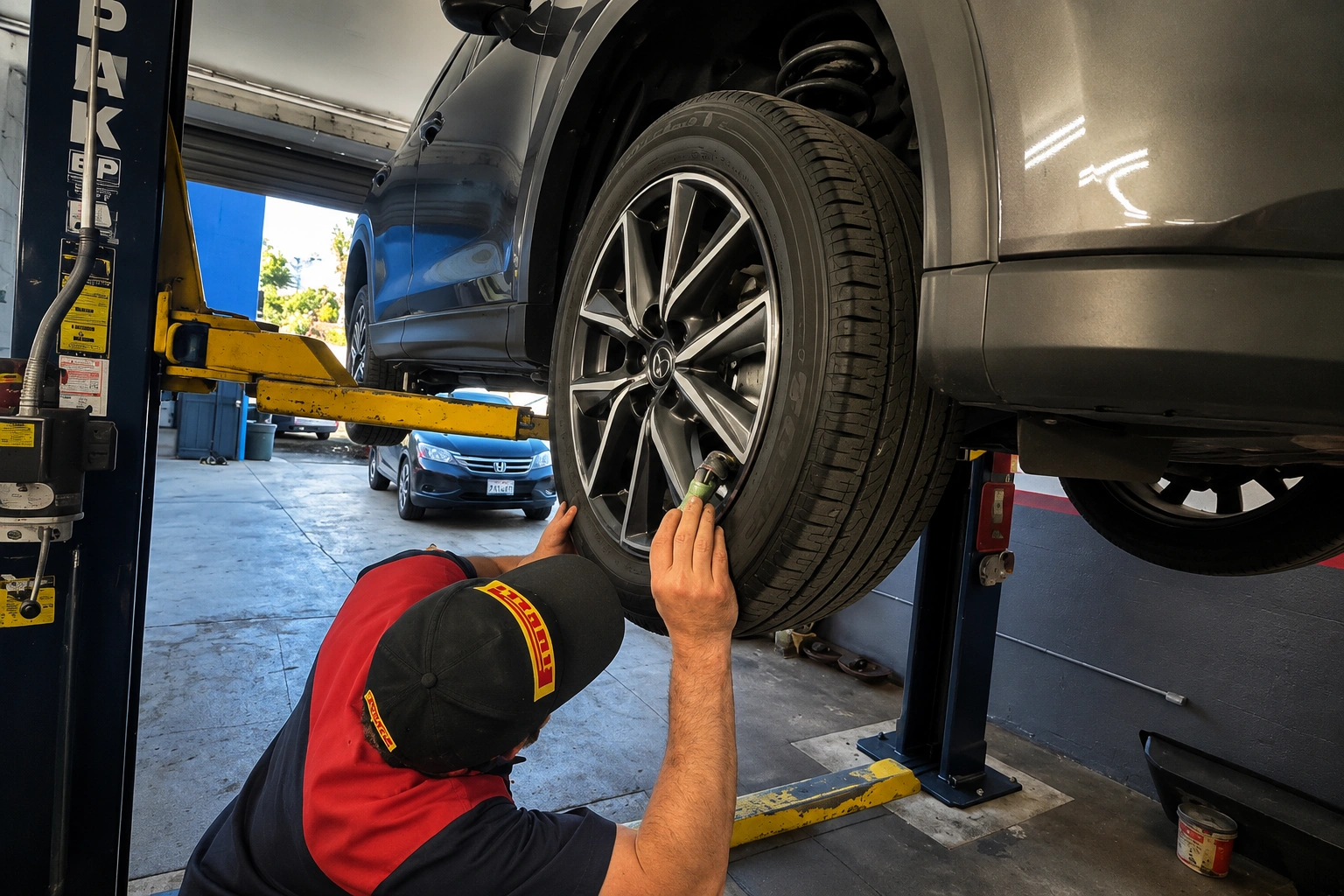
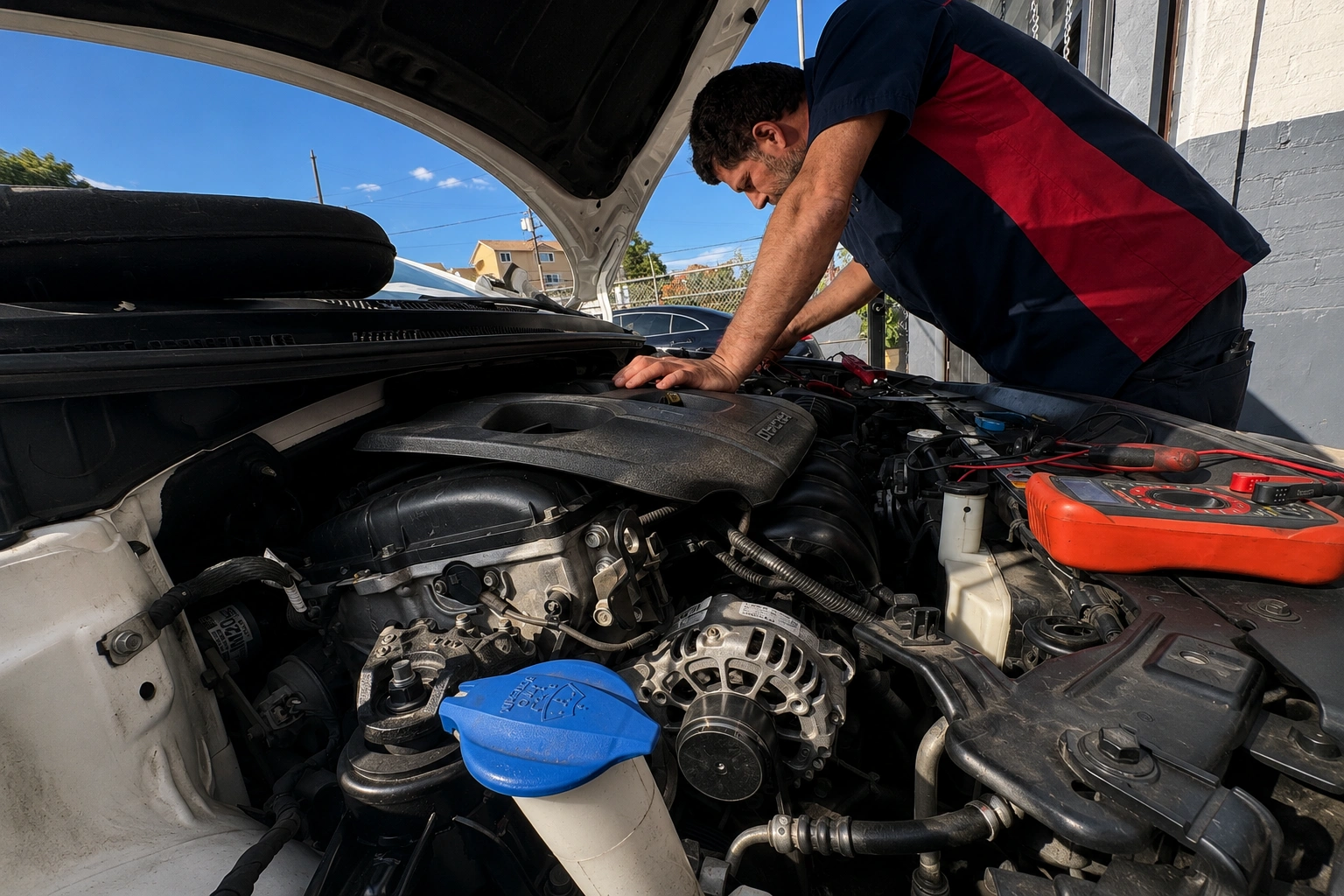
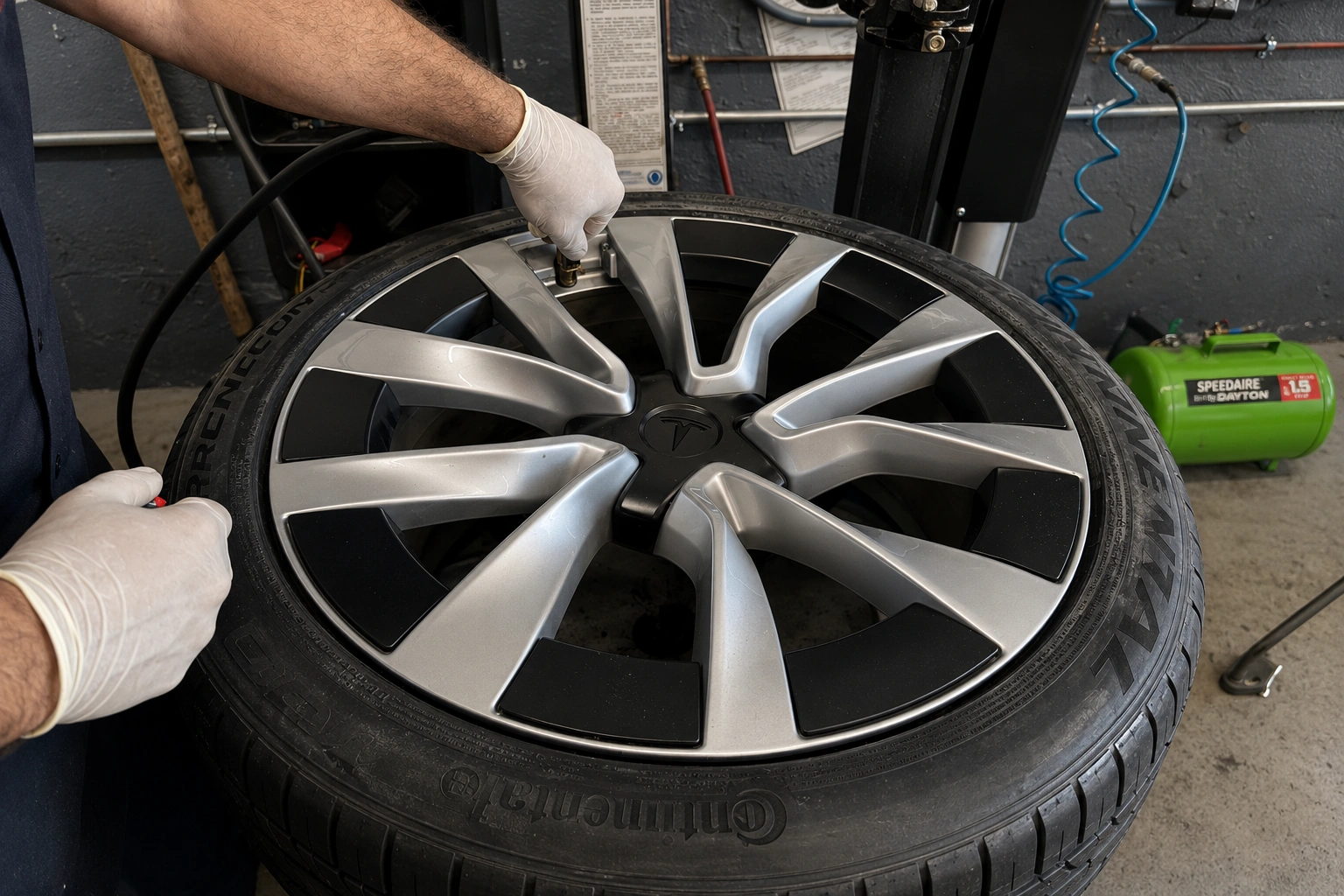
Whether or not you carry a service contract, the team focuses on the maintenance and repairs that keep a car dependable: tires, brakes, batteries, oil changes, wheel alignment, engine diagnostics, and transmission service. You can review the full range of auto repair and maintenance services to see what your vehicle may need to stay reliable and to help prevent the large failures a contract is meant to cover.
Repair scope, timing, and cost are confirmed after the vehicle is reviewed, and the recommended work is shared with you before anything is approved. Keeping clear service records also helps protect any coverage you hold. Timing may vary depending on parts availability, shop workload, and the complexity of the issue, so calling first to confirm availability is a good first step.
Steps to get service from Speedway Tire & Service
- Call the shop at (213) 250-4254 or review the relevant service page for your needs.
- Describe your car, mileage, and any symptoms or upcoming maintenance.
- Confirm the right inspection or service for your vehicle.
- Bring the car in for diagnosis or scheduled maintenance.
- Review the recommended work and estimate before approving it.
- Complete the service, keep the records, and follow any after-service advice.
Frequently Asked Questions about extended car warranties
Is an extended car warranty worth it for most drivers?
It depends on the car and the contract. An extended car warranty can be worth it on a complex or less-reliable vehicle you plan to keep, or when a single large repair would be a hardship. It is often not worth it on a reliable car, or when the contract has heavy exclusions, high deductibles, or restrictive approval rules. Read the terms carefully, and weigh the plan against simply saving for repairs.
What's the difference between an extended warranty and a service contract?
Most “extended warranties” are actually vehicle service contracts sold by dealers or third parties, not warranties from the automaker. They are optional plans that help cover certain repairs after the factory warranty ends. The key things to compare are covered components, exclusions, the deductible, the claim process, and where repairs can be performed. The name matters less than what the contract actually puts in writing.
Does an extended warranty cover maintenance like oil changes and brakes?
Usually not. Routine maintenance and wear items—oil changes, brake pads, tires, wipers, and filters—are typically excluded from service contracts, which focus on larger mechanical failures. That upkeep remains your responsibility, and skipping it can even void coverage. Staying current on maintenance is what helps prevent the major failures a contract is designed to address, so it complements a plan rather than being replaced by one.
Are extended car warranty offers ever a scam?
Legitimate plans exist, but some offers use high-pressure tactics, like calls or mailers claiming your warranty is about to expire. Warning signs include vague coverage, heavy exclusions on the parts most likely to fail, difficult pre-authorization, and limits on where you can get repairs. Protect yourself by reading the full contract—covered parts, deductible, claim process, and approved shops—before signing anything or sharing payment details.
Will Los Angeles driving conditions affect whether a plan pays off?
Indirectly, yes. Stop-and-go traffic, steep hills in Silver Lake and Echo Park, and potholes accelerate wear on brakes, tires, suspension, and fluids. Most of that is maintenance, which contracts generally exclude. So in LA, staying current on upkeep often does more for your costs than a contract alone. A plan mainly helps with large failures, while routine care handles the wear these conditions cause.
Can I use any shop if I have a service contract?
It depends on the contract. Some plans let you choose your repair shop, while others restrict you to approved locations or require pre-authorization before work begins. Before buying, confirm where repairs can be performed and how the shop gets paid. If your plan allows it, having a trusted local shop handle diagnosis and repairs—and document the work—helps keep the process smooth and protects your coverage.
Call Speedway Tire & Service Today
Whether or not an extended car warranty is worth it for your situation, keeping up with maintenance is what protects your car and your budget. For drivers in Echo Park, Silver Lake, Downtown LA, or nearby neighborhoods, call Speedway Tire & Service at (213) 250-4254, review the services page, or contact the shop to discuss your vehicle and next steps. A clear inspection and steady upkeep help prevent the large repairs a contract is meant to cover.
Looking for an honest Auto Repair Shop in Los Angeles? Call Speedway Tire and Service Today
Whether you’re driving through LA traffic or cruising the freeways, your car deserves expert care. Located in Los Angeles, Speedway Tire and Service offers reliable oil changes, brake repairs, tire services, and more—all backed by experienced technicians and honest pricing.