Is It Worth Fixing My Car or Buying a New One? A Los Angeles Cost-Benefit Guide
Deciding whether to repair or replace your car in Los Angeles usually comes down to one practical comparison: the cost of the repair versus what the car is worth and how much reliable use you can expect afterward. If a paid-off car is mechanically sound and the repair costs less than a year of car payments, fixing it is often the smarter move. If repairs are stacking up and outpacing the car's value, replacement may make more sense. The right answer depends on the actual diagnosis, the vehicle's condition, and how you drive it day to day in LA traffic.
What does “repair or replace” really mean for your car?
Every car eventually reaches a point where you have to weigh continued repairs against the cost of moving on. “Repair or replace” simply means making that call with real numbers instead of guesswork.
The decision is rarely about a single part. It is about the overall health of the vehicle: the engine and transmission, the suspension, the condition of safety systems like brakes and tires, and how many repairs you have already made recently. A clear inspection turns a stressful guess into a straightforward comparison.
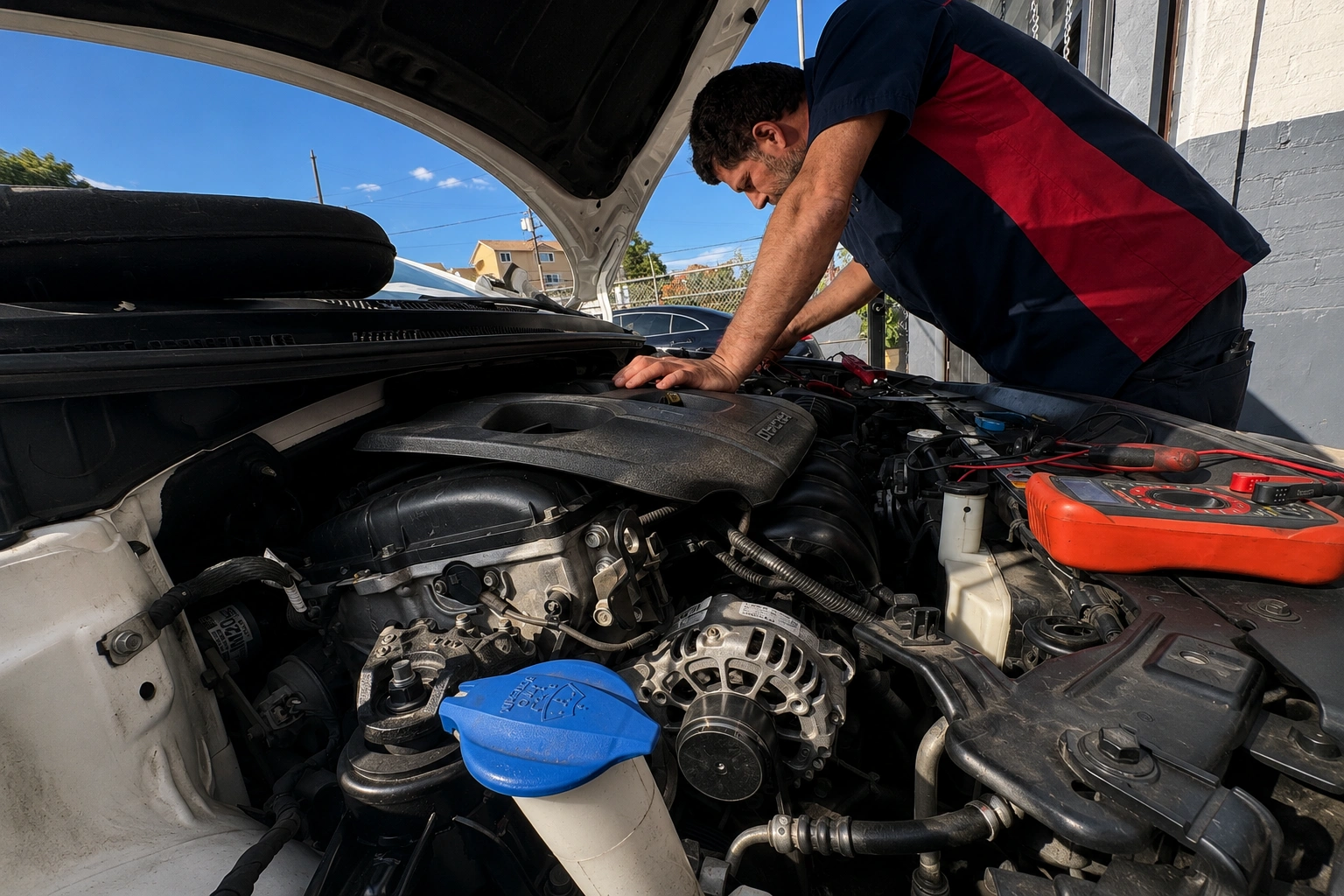
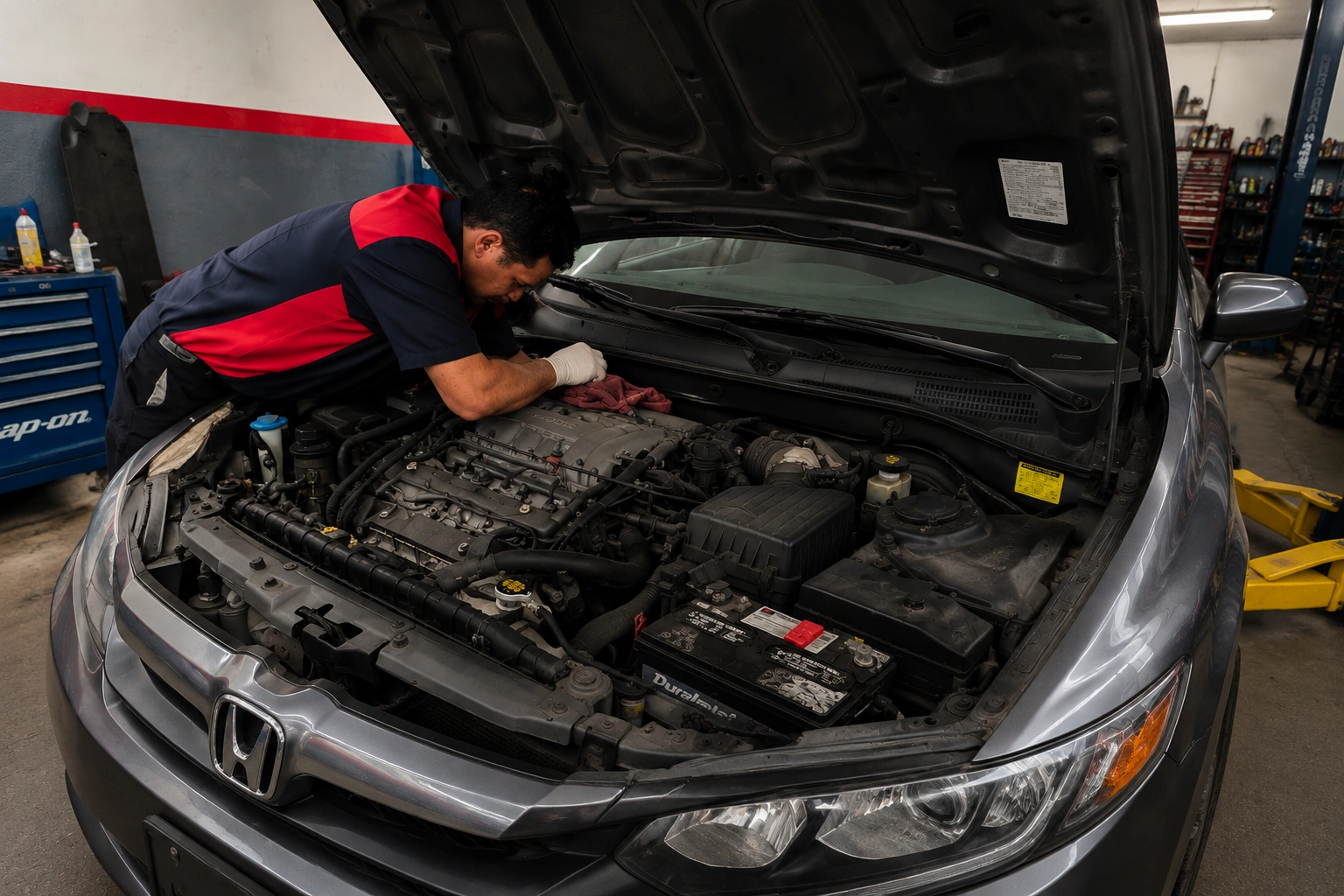
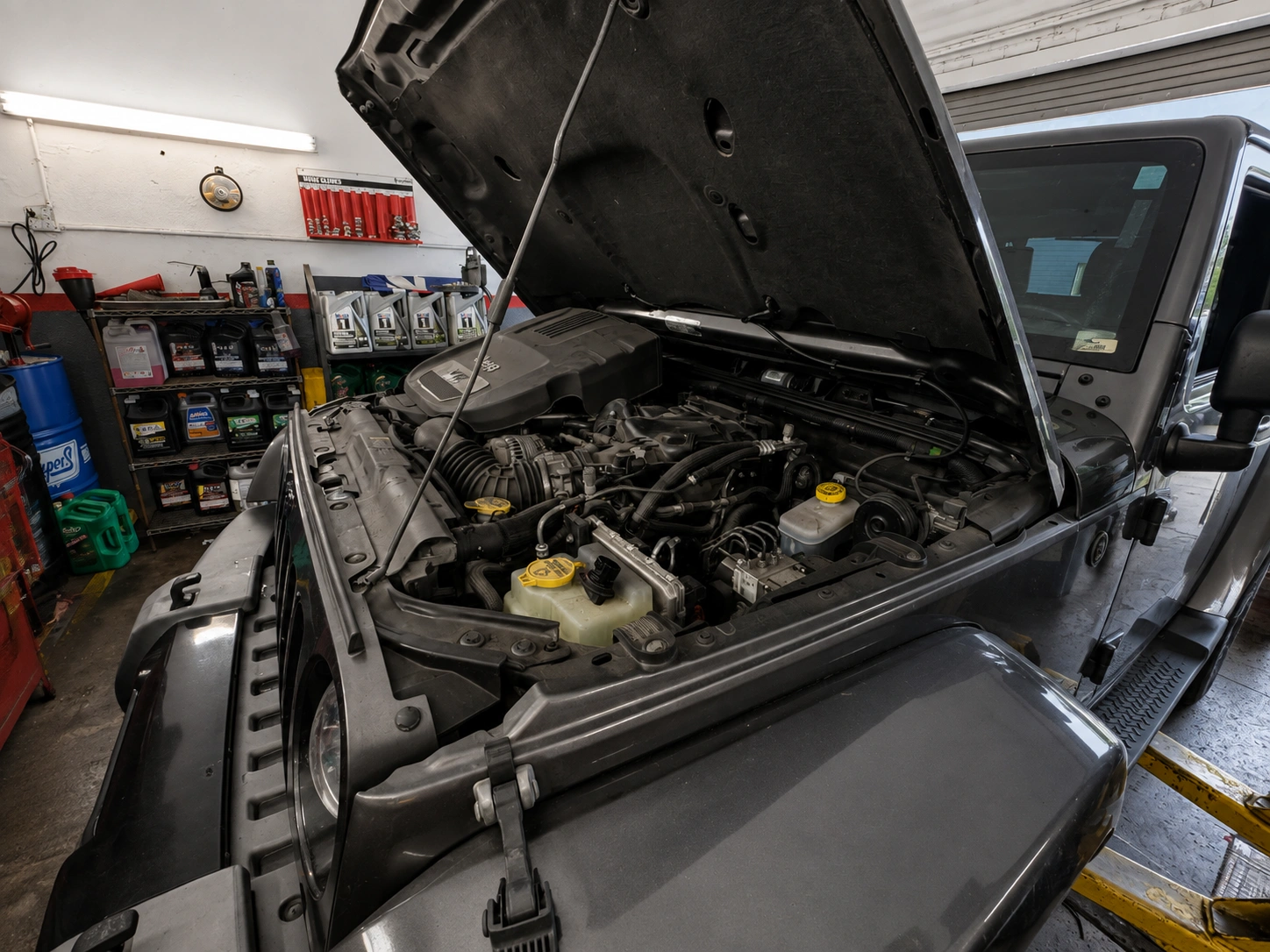
Before any of that math works, you need an accurate picture of what is actually wrong. Tire, brake, and engine issues should be diagnosed before parts are replaced, because a confident estimate is impossible without knowing the true cause.
When is it worth repairing your car in Los Angeles?
It is generally worth repairing your car when most of these are true:
- The car is paid off, or close to it.
- The engine and transmission are still in good shape.
- The repair cost is less than roughly half the car's current value.
- The repair is a one-time fix, not the latest in a long string of breakdowns.
- The vehicle is otherwise safe, reliable, and suits your needs.
Leaning toward replacement makes more sense when the repair approaches or exceeds the car's value, when major systems like the engine or transmission are failing, or when the car needs frequent, escalating repairs that leave you without dependable transportation.
The cost-benefit rule- comparing repair cost vs car value
A simple way to frame the repair cost vs car value question is to divide the repair estimate by the number of months you realistically plan to keep driving the car. If that monthly figure is well below what a replacement payment would be, repairing is usually the economical choice.
Another common rule of thumb: if a repair costs more than about 50% of the car's current market value, it is worth seriously considering replacement. Neither rule is absolute, but together they give you a grounded starting point.
|
Your situation |
What it usually points to |
Why it matters |
|
Repair is under ~50% of car value, car is paid off |
Repair |
Lower total cost than taking on a new payment |
|
Repair is a one-time fix on a reliable car |
Repair |
A sound car with one issue is often worth keeping |
|
Repairs are frequent and adding up |
Lean toward replace |
Ongoing downtime and cost outweigh the car's value |
|
Engine or transmission failure on an older car |
Lean toward replace |
These are among the most expensive systems to rebuild |
|
Repair cost is near or above car value |
Replace |
You'd be investing more than the car is worth |
Pricing always depends on the vehicle, parts quality, and labor scope, so use these as a guide and confirm the actual numbers after a proper inspection.
What signs suggest it's time to consider replacing your car?
A few patterns tend to tip the scales toward replacement rather than another round of repairs:
- Repeated breakdowns that leave you stranded or constantly back in the shop.
- Major drivetrain trouble, such as a slipping transmission or serious engine damage.
- Rust or structural issues that affect safety rather than just appearance.
- Repairs that keep growing each visit, where fixing one thing reveals another.
- A repair estimate that meets or exceeds what the car would sell for today.
None of these means you must replace the car immediately. They are signals to get a clear inspection and run the cost-benefit comparison before spending more.
What repairs are usually worth doing on an otherwise good car?
Many common repairs are routine and well worth it on a car that is otherwise sound. The table below shows where typical services fit in the decision.
|
Repair or service |
Typical role |
Usually worth it when |
|
Brakes and brake pads |
Core safety system |
The rest of the car is reliable and safe |
|
Tires, alignment, balancing |
Safety, handling, tire life |
Tread or wear issues are caught early |
|
Battery replacement |
Starting and electrical reliability |
The battery is the main fault, not a deeper issue |
|
Oil change and fluids |
Engine and drivetrain longevity |
Always — basic maintenance protects value |
|
Engine diagnostics |
Pinpoints the real problem |
Before approving any major engine work |
|
Transmission service |
Drivetrain health |
Service is far cheaper than a failure or rebuild |
Routine maintenance like an oil change is almost always worth it, because keeping fluids fresh and brakes and tires in good shape protects both safety and the car's resale value. You can review the full range of full-service auto repair and maintenance options to see what fits your vehicle.
How Los Angeles driving conditions factor into the decision
Where and how you drive shapes how quickly wear shows up. Local driving conditions in Echo Park, Silver Lake, and Downtown LA can accelerate wear on brakes, tires, suspension, and fluids.
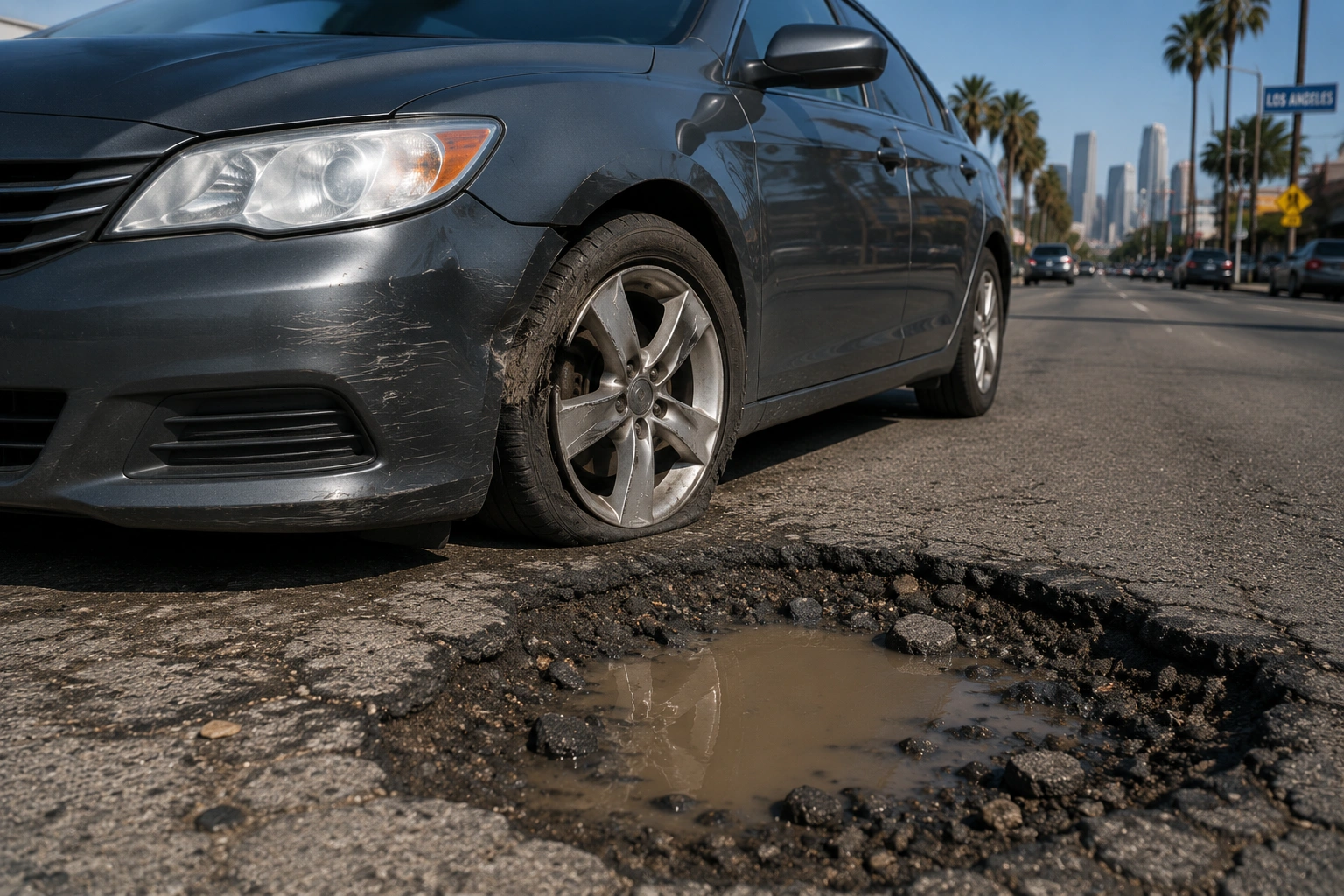
Stop-and-go traffic on the 101 and surface streets means constant braking, which wears pads and rotors faster than steady highway driving. The steep hills around Silver Lake and Echo Park put extra load on the engine, transmission, and brakes. Potholes on older streets can knock wheels out of alignment and damage tires and suspension. And long idle times in traffic, combined with LA heat, are hard on batteries and cooling systems.
The practical takeaway: a car that struggles in these conditions may need attention sooner, but many of those issues are routine, fixable, and far cheaper than replacing the whole vehicle.
What can happen if you delay a needed repair?
Putting off a diagnosed repair tends to cost more over time, not less. Delaying can lead to:
- Reduced safety, especially with brakes, tires, and steering.
- Uneven or accelerated wear that turns a small fix into a bigger one.
- More expensive repairs when a minor issue damages connected parts.
- Lower fuel efficiency and weaker performance.
- Unexpected downtime, leaving you without reliable transportation.
Catching problems early through diagnosis usually keeps you on the “repair” side of the decision, where the numbers are friendlier.
What should you check before bringing your car in?
A few minutes of observation helps the shop diagnose faster and gives you a clearer estimate. Before your visit, note:
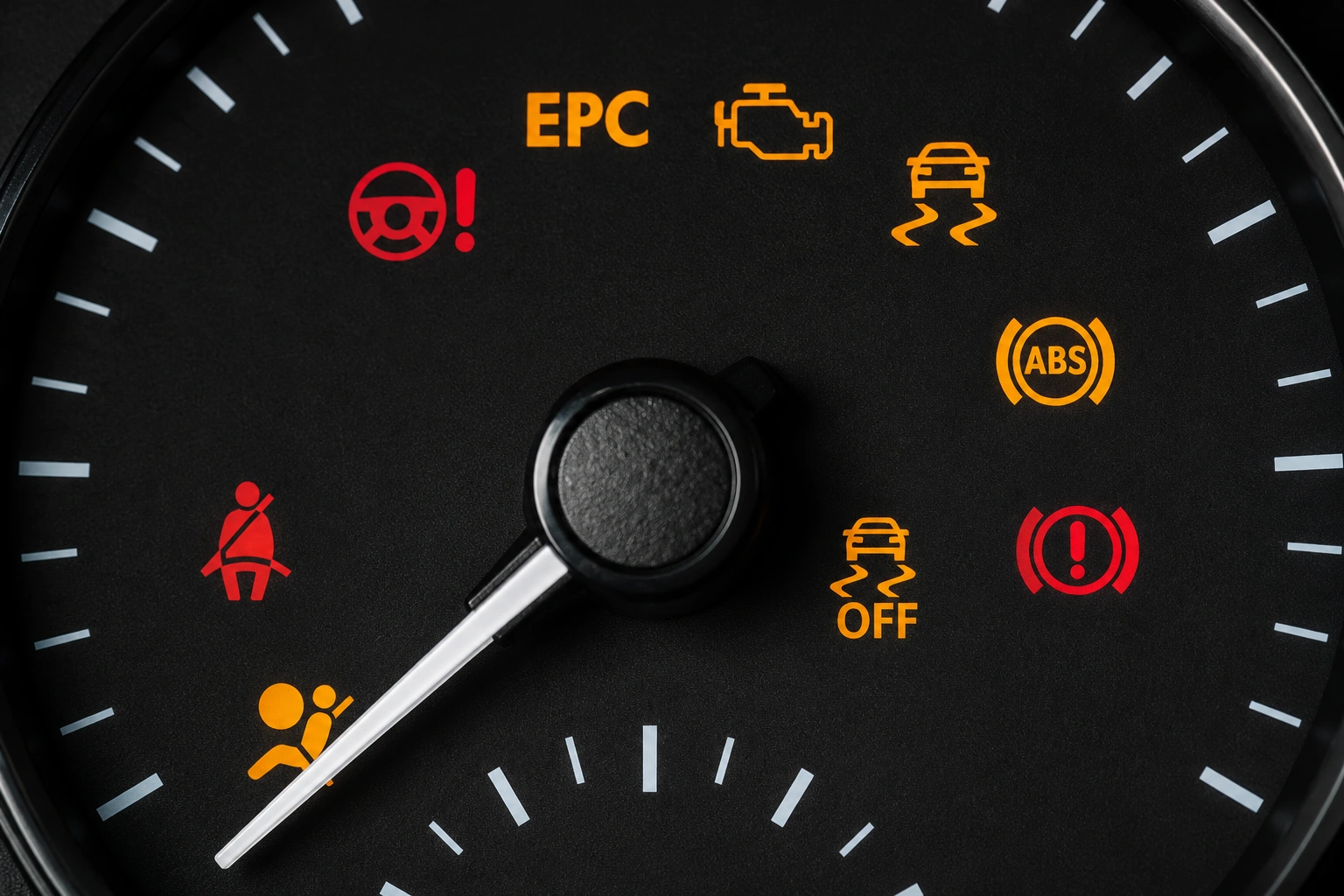
- Any warning lights on the dashboard, including the check engine light.
- Noises such as grinding, clunking, squealing, or knocking.
- Smells, like burning oil, hot brakes, or a sweet coolant odor.
- Vibration in the steering wheel, pedals, or seat.
- Your car's mileage and recent repair history.
- Tire wear patterns and any visible fluid leaks under the car.
- Whether the issue happens only at speed, while braking, or during startup.
Bringing this information with you, or describing it when you call, helps match the inspection to the actual symptoms.
How do you choose a trustworthy auto repair shop in Los Angeles?
Good auto service depends on clear inspection findings, honest recommendations, and matching the repair to the vehicle's needs. When you are weighing a major repair-or-replace decision, the shop you choose matters as much as the diagnosis.
Practical things to look for in a local mechanic near Silver Lake or Echo Park:
- A clear diagnostic process rather than guesswork.
- Transparent communication about the scope and cost before work begins.
- Recommendations that match the symptom instead of broad upsells.
- Quality parts and the use of proper diagnostic tools.
- Local experience with stop-and-go traffic, steep hills, and daily commuting.
- Easy ways to reach the shop by phone and confirm next steps before you visit.
The goal is a shop that helps you understand the real condition of your car so you can make the repair-or-replace call with confidence. If you want to talk it through, you can contact the shop and describe what you are seeing.
How does Speedway Tire & Service help?
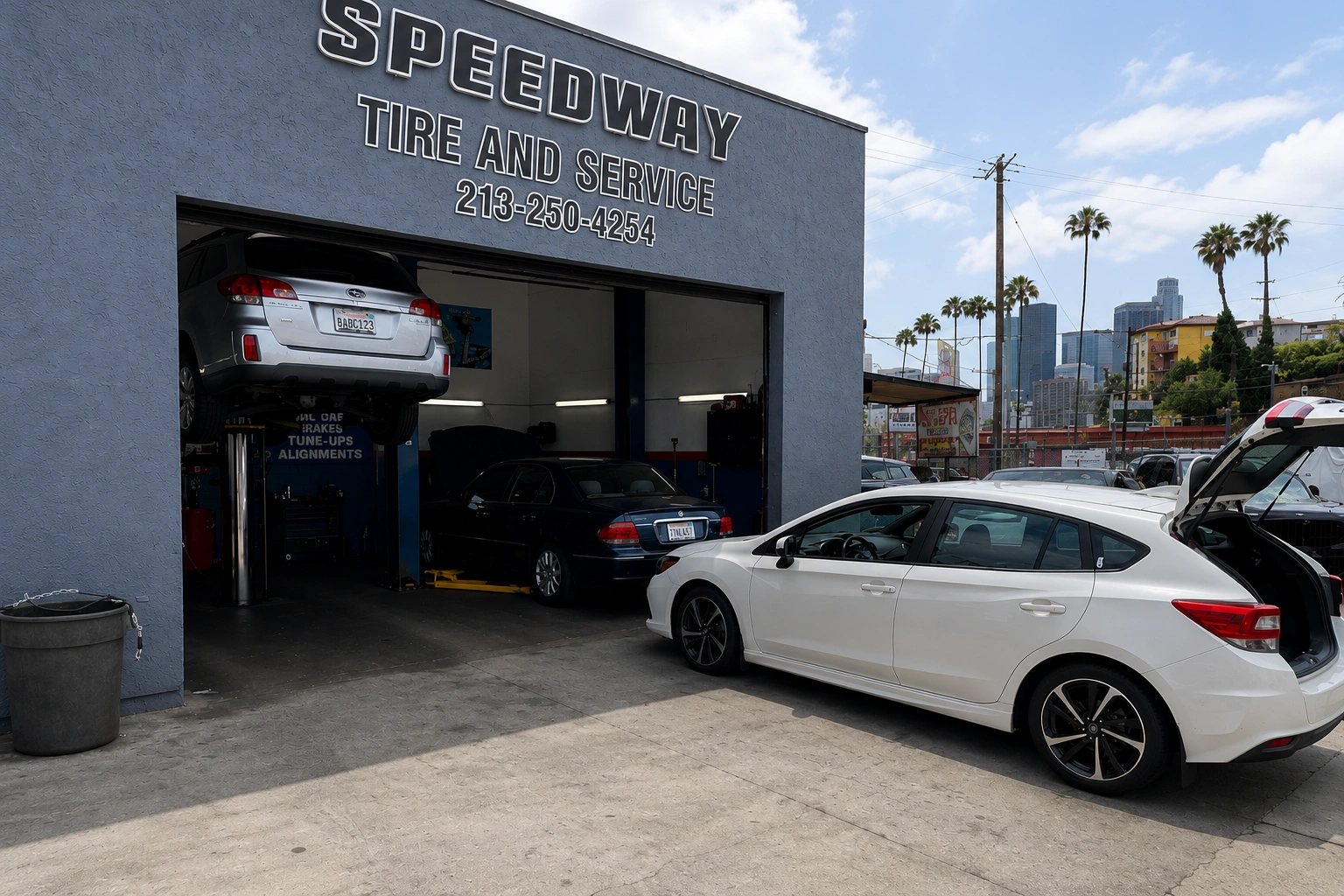
Speedway Tire & Service is a local tire and auto repair shop in Los Angeles, located on West Sunset Boulevard and serving drivers in Echo Park, Silver Lake, Downtown LA, Chinatown, Lincoln Heights, and nearby neighborhoods.
When you are unsure whether to fix or replace a car, the most useful first step is an inspection. The team can run engine diagnostics and check the systems that matter most to the decision, then explain what they find in plain language. From there, you get practical recommendations matched to your vehicle's make, model, mileage, and symptoms, rather than a one-size-fits-all answer.
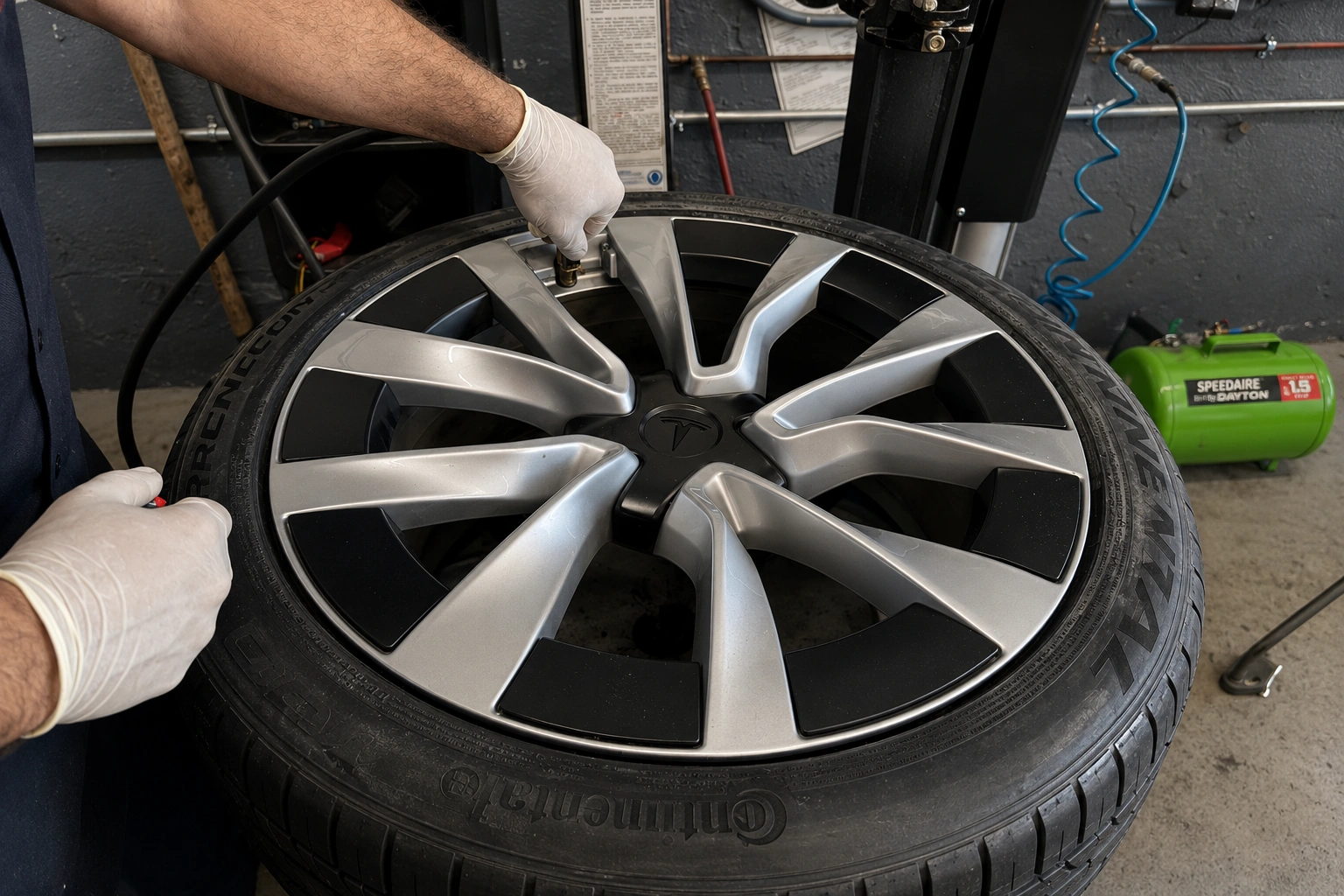
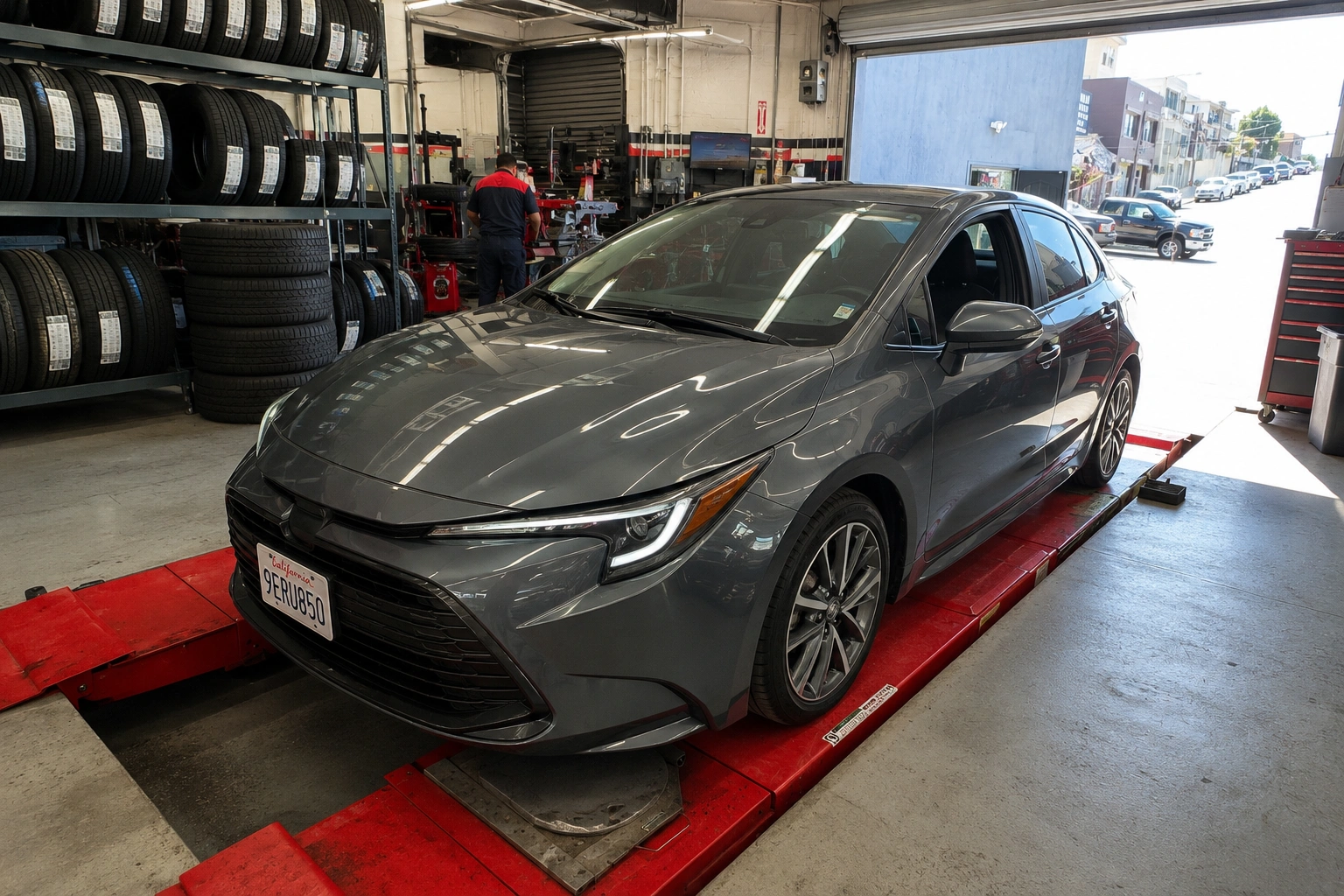
For the repairs that are clearly worth doing, the shop handles tires, brakes, batteries, oil changes, wheel alignment, transmission service, and general maintenance. Repair scope, timing, and cost are confirmed with you after the vehicle is reviewed, so you can approve the work before anything begins. Timing may vary depending on parts availability, shop workload, and the complexity of the issue, and you can call first to confirm current availability.
Steps to get service from Speedway Tire & Service
- Call the shop at (213) 250-4254 or review the relevant service page for your issue.
- Describe the symptom, noises, warning lights, or recent history.
- Confirm the right inspection or service for your vehicle.
- Visit the shop for diagnosis or service.
- Review the recommended work and estimate before approving it.
- Complete the repair or maintenance, and follow any after-service advice to protect your car going forward.
It is also worth checking the current service coupons before your visit, since available offers can help with the cost of common repairs and maintenance.
Frequently Asked Questions about repairing or replacing your car
How do I know if it's worth repairing my car or replacing it?
Compare the repair estimate to your car's current value and to a year of replacement payments. If the car is paid off, mechanically sound, and the repair costs less than about half its value, fixing it is usually worth it. If repairs are frequent or approach the car's value, replacement may make more sense. An accurate diagnosis is the key first step, since it tells you what you are really deciding between.
Can I keep driving my car while I decide?
It depends entirely on the issue. Cosmetic or minor problems may be fine to monitor for a short time. But safety-related issues, such as brake trouble, worn tires, steering problems, or overheating, should be checked promptly because they can worsen quickly and put you at risk. If you are unsure whether something is safe to drive on, call the shop and describe the symptom before continuing to drive.
Does Los Angeles traffic make car problems worse?
It can. Stop-and-go traffic increases braking wear, steep hills around Silver Lake and Echo Park add load to the engine and transmission, and potholes can damage tires, wheels, and alignment. Long idling in LA heat is also hard on batteries and cooling systems. These conditions don't automatically mean replacement, but they can make wear show up sooner, which is why regular inspection and maintenance matter.
How much does a repair-or-replace inspection cost?
Inspection and diagnostic costs depend on the vehicle and the systems involved, so the most reliable answer comes after the shop reviews your car. The value of a proper diagnosis is that it prevents spending money on the wrong parts and gives you firm numbers for the repair-or-replace comparison. Call ahead to confirm current diagnostic options, timing, and what to expect for your specific make and model.
How often should I reassess whether to keep my car?
A good time to reassess is whenever a major repair comes up, or roughly once a year as the car ages and mileage climbs. Track your repair history: if visits are becoming more frequent and more expensive, that pattern is a signal to run the cost-benefit comparison. Routine maintenance between those checkpoints helps keep the car on the more affordable repair side of the decision for longer.
Is it worth fixing an older car with high mileage?
Often, yes, if the engine and transmission are healthy and the repair addresses the issue completely. Many high-mileage cars run reliably for years with proper maintenance. The decision shifts toward replacement when major systems start failing or when repairs become a recurring expense. A clear inspection of the drivetrain and safety systems is the best way to judge how much dependable life the car has left.
Call Speedway Tire & Service Today
If you are weighing whether to repair or replace your car in Los Angeles and want a clear, honest assessment, start with a proper inspection. For drivers in Echo Park, Silver Lake, Downtown LA, or nearby neighborhoods, call Speedway Tire & Service at (213) 250-4254, review the services page, or contact the shop to discuss your vehicle and the right next step. A clear diagnosis today helps you make a confident decision and avoid spending on repairs that don't fit your car's real condition.
Information reflects current service positioning as of June 2026. Repair timing and cost depend on the vehicle, parts availability, and diagnosis results.
Looking for an honest Auto Repair Shop in Los Angeles? Call Speedway Tire and Service Today
Whether you’re driving through LA traffic or cruising the freeways, your car deserves expert care. Located in Los Angeles, Speedway Tire and Service offers reliable oil changes, brake repairs, tire services, and more—all backed by experienced technicians and honest pricing.